
Who We Are
Board Members
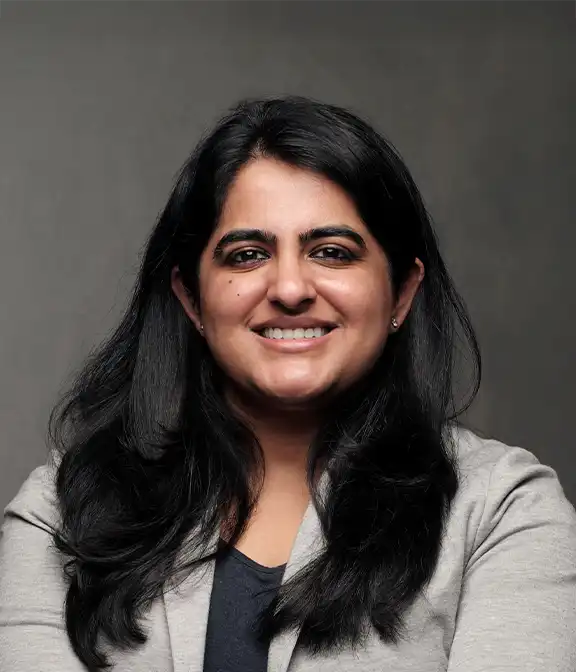
Bhairavi Madhusudhan Shibulal
Director - Solis Health
Bhairavi Madhusudhan Shibulal
Director - Solis Health
Bhairavi Madhusudhan Shibulal is the Founder and Director of Solis Health – India’s first suite of empathetic and person centric healthcare solutions. Solis Health empowers patients, caregivers and families with the tools and information to make informed treatment decisions. Solis Health democratizes access to healthcare and allied health services.
She is also an active healthcare investor and has backed innovative enterprises, both within India and overseas, working in diverse areas ranging from therapeutics to genomic analysis to comprehensive care platforms.
After working in private equity, strategy consulting and retail research firms Bhairavi moved back to India to care for her mother, who was diagnosed with breast cancer. This sensitized her to the gaps that exist in the healthcare system and she founded Solis Health in her mother’s memory. She is a Trustee of The Shibulal Family Philanthropic Initiatives, which is focused on transforming lives through impactful interventions in education, and a founding supporter of The/Nudge Institute, an action institute that partners with governments, markets, and civil society to work towards poverty eradication in India.
Bhairavi is an alumnus of the prestigious dual-degree Huntsman Program in International Studies and Business at the Wharton School of the University of Pennsylvania.
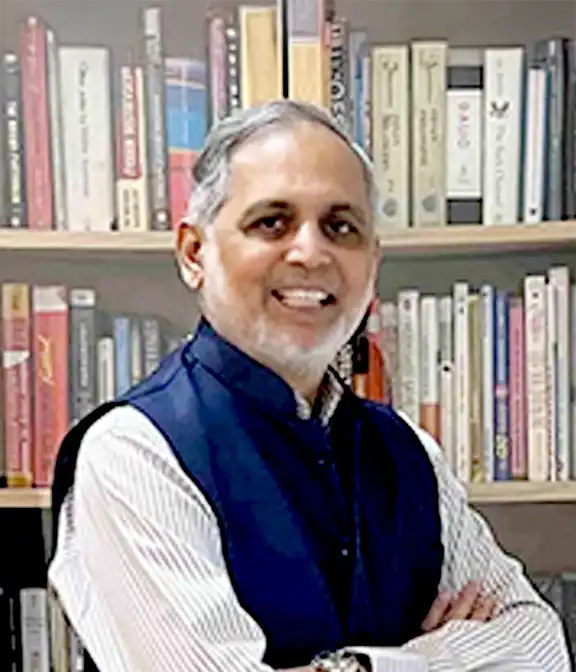
K. Jayshankar
Managing Director - Empowered Learning
K. Jayshankar
Managing Director - Empowered Learning
Jay is the Managing Director of Empowered Learning. A Certified Management Consultant (CMC) with over four decades experience in industry, he specializes in supporting family businesses achieve greater success, and empowering learning throughout organisations. Further, he has been an Executive Coach for senior business leaders for many years.
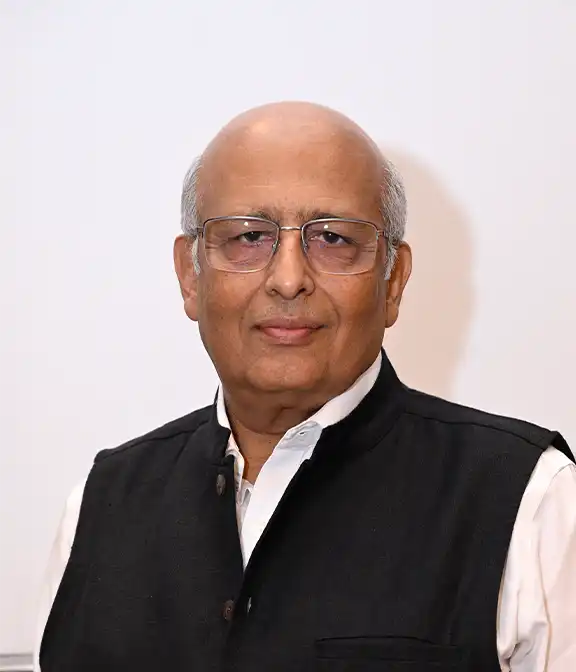
Shahid Jameel
Fellow - Green Templeton College, University of Oxford
Prof. Shahid Jameel, PhD
Fellow - Green Templeton College, University of Oxford
Dr. Shahid Jameel is presently a Fellow at the University of Oxford. Before this he was Director – Trivedi School of Biosciences at Ashoka University and Chief Executive Officer of The Wellcome Trust/DBT India Alliance. Prior to this, he was instrumental in setting up and leading the Virology Group at the International Centre for Genetic Engineering and Biotechnology (ICGEB), New Delhi for 25 years where his research focused on human viruses.
Dr. Jameel is an elected Fellow of the All Science Academies of India. His research has also been recognized with many awards and grants, notably the BM Birla Science Prize in Biology (1995), the Shanti Swarup Bhatnagar Award in Medical Sciences (2000) and an International Senior Research Fellowship of The WellcomeTrust, UK (2001-2006).
He serves as a member and Chair of many national and international bodies and has also been active in science policies and administration for over two decades.
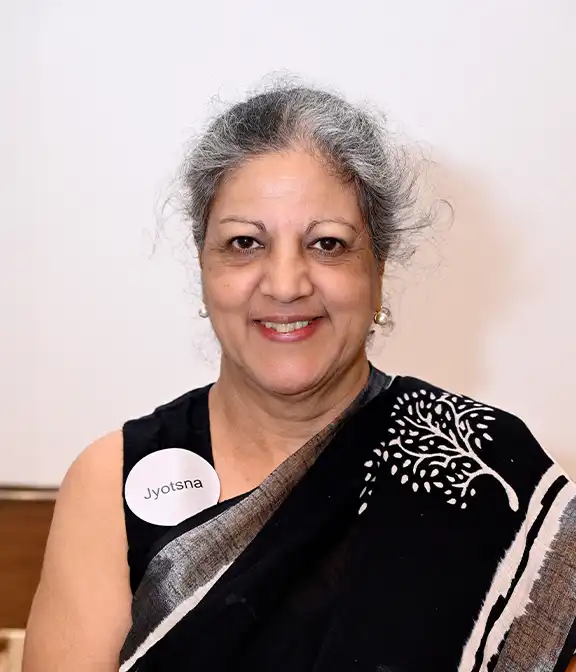
Jyotsna Dhawan
Emeritus Scientist - CCMB, Hyderabad
Prof. Jyotsna Dhawan, PhD
Emeritus Scientist - CCMB, Hyderabad
Dr. Jyotsna Dhawan obtained a PhD in cell biology and biochemistry from Boston University in 1991 and pursued postdoctoral work on stem cells and gene therapy at Stanford University. She joined the Centre for Cellular and Molecular Biology (CCMB) in Hyderabad, India in 1996. After her retirement, she continues to run an active research program as Emeritus Scientist. From 2009-2014, she helped establish the Institute for Stem Cell Science and Regenerative Medicine (InStem) in Bangalore. She has won many honors and awards, as well been an active member of several committees and international panels, including the Human Frontier Science Program.
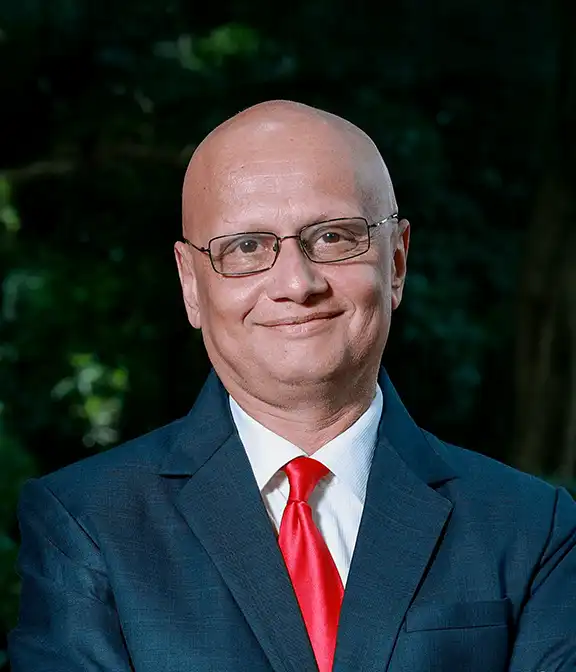
Jogin Desai
CEO - Eyestem Research
Dr. Jogin Desai
CEO - Eyestem Research
Jogin is the Founder and CEO of Eyestem Research, a startup working to make stem cell therapeutics an affordable reality for multiple therapeutic indications, starting with dry age related macular degeneration. Eyestem’s first product aims to treat dry age related macular degeneration- a blinding, incurable disease that affects 170 M people worldwide. Jogin brings more than 15 years of experience in growing and nurturing businesses to his newest venture. Prior to Eyestem, he was part of the global leadership team at Quintiles and led their cardiac safety business from 2001 to 2007. More recently, he was the CEO of Cenduit, the world’s largest standalone clinical trial randomization company with offices in Bangalore, Basel, Philadelphia and North Carolina and a joint venture between Quintiles and Thermo Fisher Scientific.
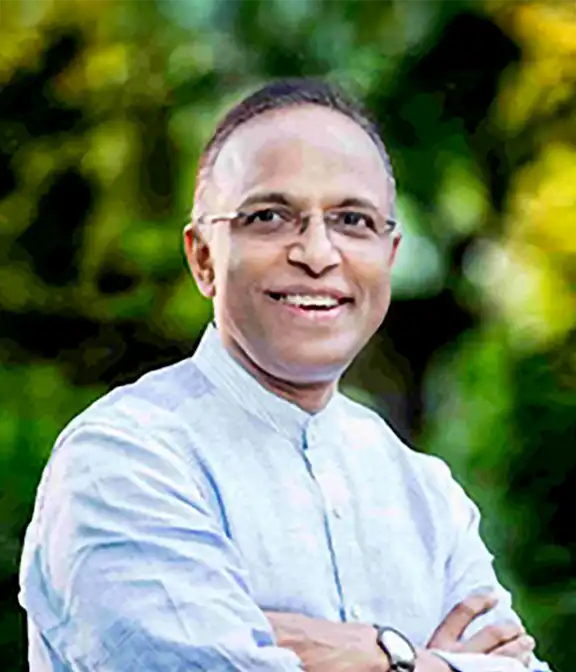
Anand Anandkumar
CEO - Bugworks
Anand Anandkumar, PhD
CEO - Bugworks
A PhD in Electrical and Biomedical Engineering with more than 28 years’ experience spanning semiconductor, electronic design automation and bio-pharmaceutical industries, Anand is the Co-founder of Bugworks, Cellworks and Escape Velocity Accelerator.
Bugworks, a US and India based company solving Global Antibiotic crisis using novel techniques to design next-generation Antibiotics. Escape Velocity Accelerator is a first of its kind accelerator aimed at promoting entrepreneurship in medical technologies.
His specialties cover the Semiconductor and Bio-Pharma industry, with emphasis in setting up and managing International operations particularly out of India and China, managing Operations, RD groups, WW business development and Sales channels.
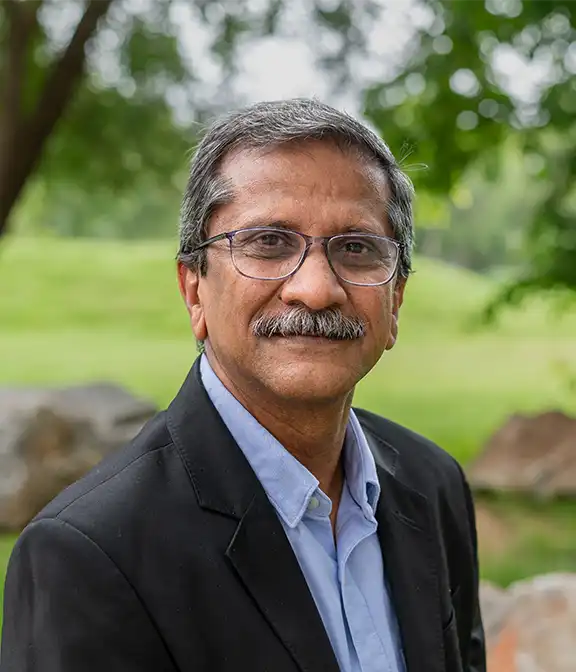
Pankaj Chandra
Vice Chancellor - Ahmedabad University
Prof. Pankaj Chandra, PhD (Chair)
Vice Chancellor - Ahmedabad University
Pankaj is currently a Professor, Vice Chancellor, and Chairman of the Board of Governors of Ahmedabad University. Before this, he was the Director of the Indian Institute of Management, Bangalore. He has a PhD from the Wharton Business School and is a committed educationist and innovation expert. He is on the Board of several organisations, including the Biotechnology Industry Research Assistance Council (BIRAC), which he helped found. BIRAC is the largest public funding agency for Biotech Startups in India. He has authored “Building Universities That Matter: Where Are Indian Institutions Going Wrong?”.
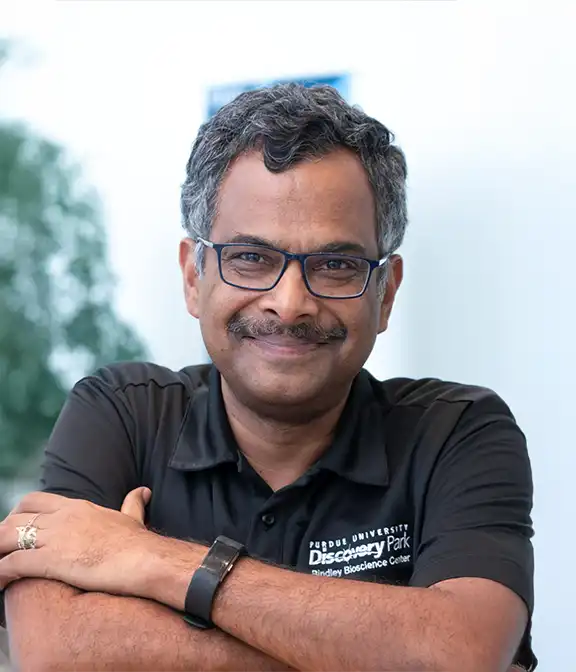
Ramaswamy Subramanian
Director - Bindley Bioscience Center, Purdue University
Prof. Ramaswamy Subramanian, PhD
Director - Bindley Bioscience Center, Purdue University
Professor of Biological Sciences, Biomedical Engineering; Director, Bindley Bioscience Center at Purdue University.
Rams is known as an outstanding Scientist, Science Administrator, Institution Builder, Consultant, Entrepreneur, Advisor, Teacher, and Enabler. He is a structural biologist with expertise in protein crystallography and electron cryo-microscopy, who earned his PhD in molecular biophysics from the Indian Institute of Science at Bangalore. After graduation, he moved to Uppsala, Sweden, for a fellowship at the Swedish University of Agricultural Sciences. Ramaswamy stayed at SLU for eight years, serving as a researcher and docent before moving to Iowa City for a faculty position at the University of Iowa. While working as assistant dean and director of core research facilities in Iowa, Ramaswamy helped create a unique structural biology program, an accomplishment he later duplicated at inStem in India. Ramaswamy was the founding Dean at inStem also co-founded and served as the first CEO of the Center for Cellular and Molecular Platforms, Bangalore, a life sciences innovation hub for academia, industry and start-up companies.
Scientific Advisory Board
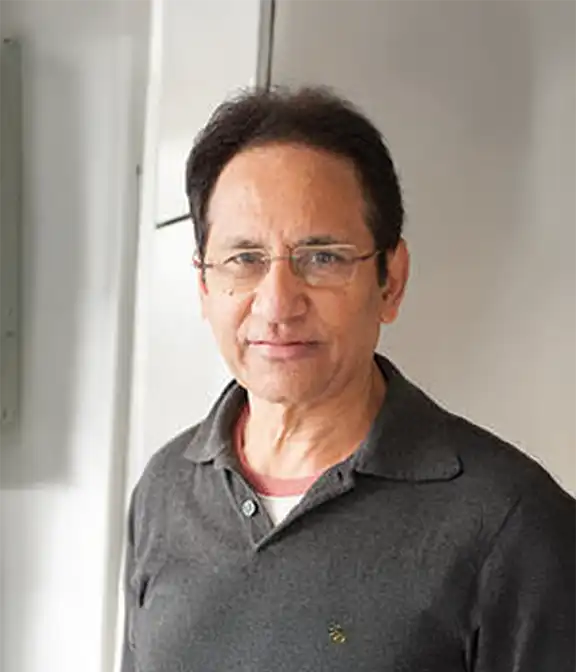
Venky Venkatesan, T
Director, Center for Quantum Research and Technology, University of Oklahoma
Dr. Venky Venkatesan, T
Director, Center for Quantum Research and Technology, University of Oklahoma
Dr. Venkatesan is a Physicist. He got his PhD working in Bell Labs and is an academic and entrepreneur. Besides Bell Labs and Bellcore as scientist/manager, he was a Professor/ Director at Rutgers, Maryland and NUS. He is the inventor of the pulsed laser deposition (PLD) process, a Fellow of the American Physical Society (APS), winner of the Bellcore Award of excellence, George E Pake Prize of the APS. Besides he has published over 780 papers and has 32 patents. He is the founder and chairman of Neocera (since 1989) and is also the Co-Founder of Blue Wave Semiconductors, Cellivate and Breathonix. He has not forgotten his roots and he and his family are involved in a number of social activities in India.
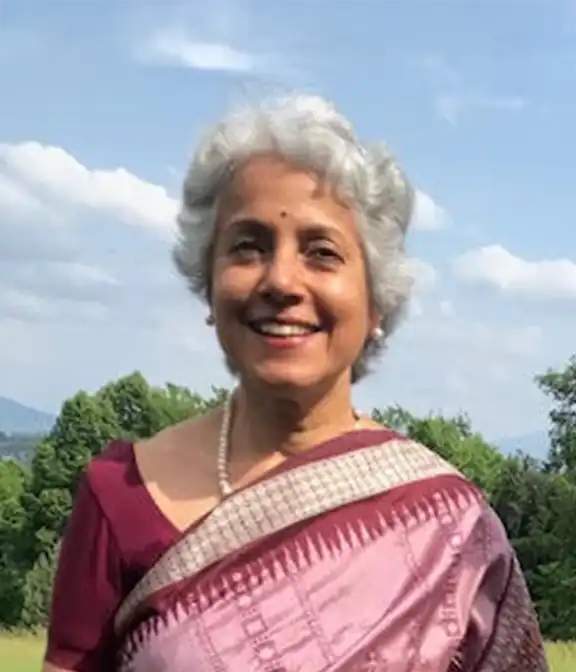
Soumya Swaminathan
Chairperson, M S Swaminathan Research Foundation (MSSRF)
Dr. Soumya Swaminathan
Chairperson, M S Swaminathan Research Foundation (MSSRF)
A globally recognized physician-scientist in the area of tuberculosis and HIV, Dr Swaminathan brings with her 30 years of experience in research, clinical care, policy and translation of research into impactful programmes. She was most recently Chief Scientist and before that, Deputy Director-General for Programmes at the World Health Organization. Prior to that, Dr Swaminathan was Secretary to the Government of India for Health Research and Director General of the Indian Council of Medical Research (2015 to 2017). In these positions, she brought science and evidence into health policy-making, building research capacity, and forging international partnerships in health sciences.
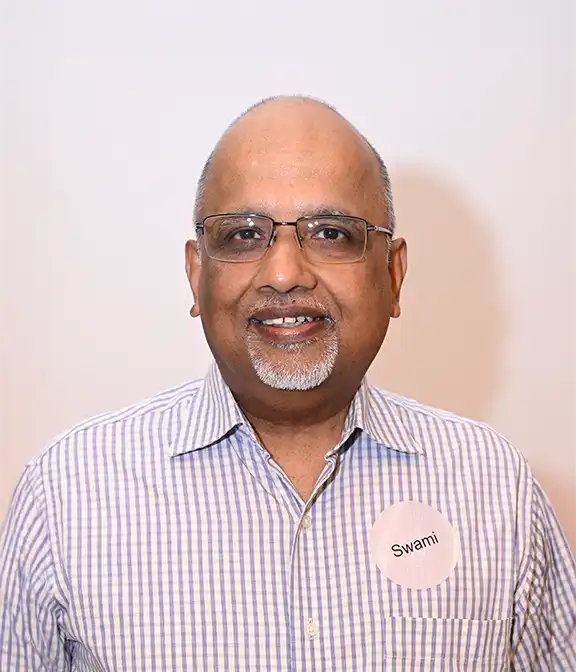
Swami Subramaniam
Director - Ignite LSF
Swami Subramaniam, MD, PhD
Director - Ignite LSF
Swami is a physician-scientist who has trained both as a clinical pharmacologist (MD, PGI-Chandigarh) and as a molecular neuropharmacologist (PhD – University of Pennsylvania). As a visiting scientist at the National Institute of Neurological Disorders and Stroke in Bethesda (Maryland, USA) he studied the modulation of excitatory receptors in the brain using electrophysiological techniques. After his return to India, Swami has worked in drug discovery, drug development, and business development in the biopharmaceutical industry for over twenty years. He led the filing of the first IND by an Indian company for a novel topoisomerase inhibiting anticancer drug and then led the execution of the Phase 1 and Phase 2 studies. He was responsible for giving shape and initial impetus to Dr Reddy’s foray into providing pharmaceutical services. In 2002 he led the founding of Aurigene Discovery Technologies, a discovery start-up in Bengaluru. He has worked for Merck and Co. Inc., as a licensing and business development lead for the South and South-East Asia regions in which role he was responsible for managing multiple discovery partnerships between Merck and Indian companies. In his last corporate position he was Head–R&D for Abbott Nutrition in India.
He won a Gurukul Chevening Fellowship in 1999 for leadership excellence at the London School of Economics. He has also trained in executive programs at Stanford GSB, IIM Ahmedabad and Indian School of Business.
Swami has authored two books – “Mastering Sleep” and “Healing Hands”.
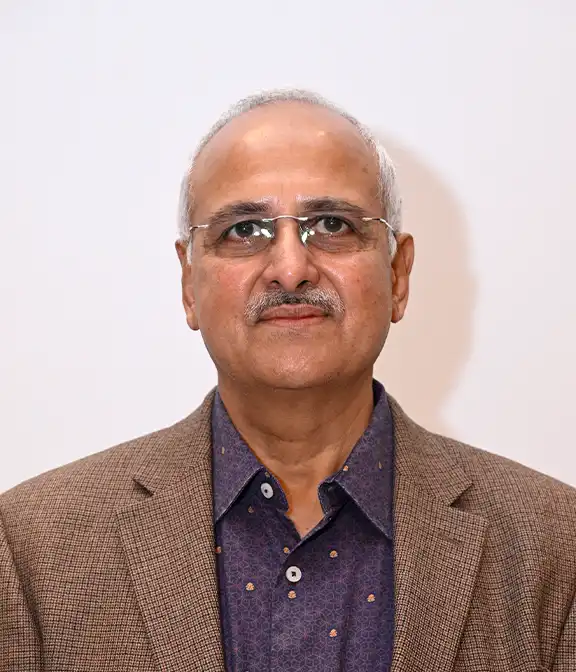
K. K. Narayanan
Founder-Director Sthayika Seeds Private Limited
Dr. K. K. Narayanan
Founder-Director Sthayika Seeds Private Limited
Dr. K. K. Narayanan is a plant breeder, molecular biologist, and entrepreneur with a distinguished career spanning academia, industry, and social enterprise. He earned his PhD in Plant Breeding and Genetics from Tamil Nadu Agricultural University, Coimbatore, and completed postdoctoral research at Stanford University under a Rockefeller Foundation Fellowship. Dr. Narayanan began his career at SPIC Science Foundation, Chennai, and later led the Crop Transformation and Functional Genomics programme at Monsanto Research Centre, IISc, Bengaluru. In 2002, he co-founded Metahelix Life Sciences, a Bangalore-based Agbiotech company focused on crop improvement, serving as Managing Director until its acquisition by Rallis India Limited in 2016. He also co-founded and chaired Kottaram Agro-Foods, which produces traditional grain-based foods under the brand SOULFULL, recently acquired by TATA Consumer Products Limited. He serves on several government advisory committees, including DBT Task Forces and Karnataka’s Vision Group on Biotechnology, and has held leadership roles in ABLE. Dr. Narayanan mentors startups, contributes to initiatives promoting rural livelihoods through agricultural technologies, and serves on boards of multiple biotech and agri-tech companies.
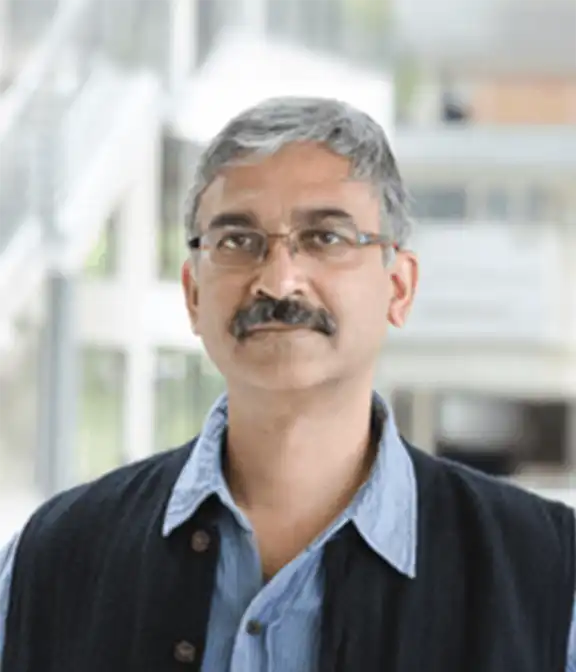
Satyajit Mayor
Distinguished Professor, NCBS-TIFR, Bengaluru
Dr. Satyajit Mayor
Distinguished Professor, NCBS-TIFR, Bengaluru
Dr. Satyajit Mayor is one of the most celebrated biological scientists in India today. He is former Director of the National Center for Biological Sciences. He is a Fellow of many academies and societies including a Fellow of the American National Academy of Sciences. He is one of the Co-Founder of Center for Cellular and Molecular Platforms the first innovation acceleration platform in India. He has been involved in many activities to promote science and scientists in India, including being the founder and active board member of India Bioscience.
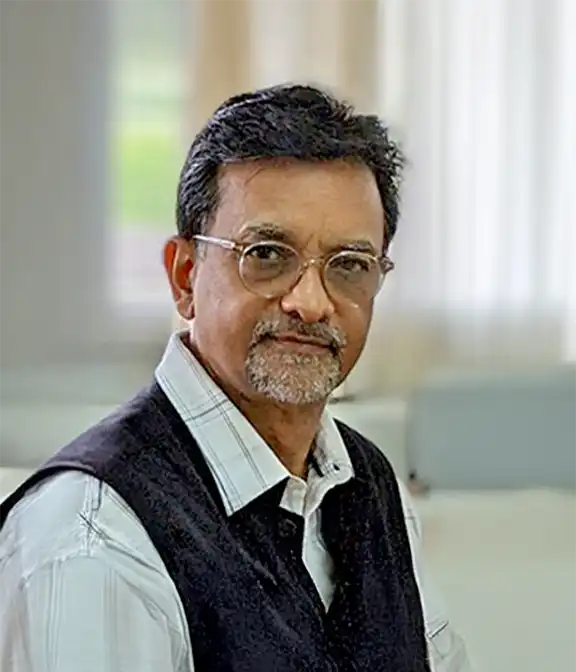
Ajay Kohli
Former Research Director, International Rice Research Institute, Manila
Dr. Ajay Kohli
Former Research Director, International Rice Research Institute, Manila
Dr. Ajay Kohli brings 33 years of experience in biological research and leadership. Most of his experience is in rice molecular biology and biochemistry but he has also handled Azospirillum, mung bean, Jatropha, and human DNA. Over the last few years, he held sequential leadership positions at the International Rice Research Institute (IRRI) as Senior Scientist, Head of Department, Platform Leader, and Deputy Director General for Research and Innovation. Ajay has held positions in India, Philippines, UK, and USA, with short stints in Germany, Italy, Taiwan, and Australia. He is a fellow of the National Academy of Agricultural Science (NAAS) India. Ajay is interested in rice-based food system solutions to food and nutrition security, climate change and social equity and is passionate about linking basic upstream science to downstream products for the One-Health concept encompassing society, economy, and environment.
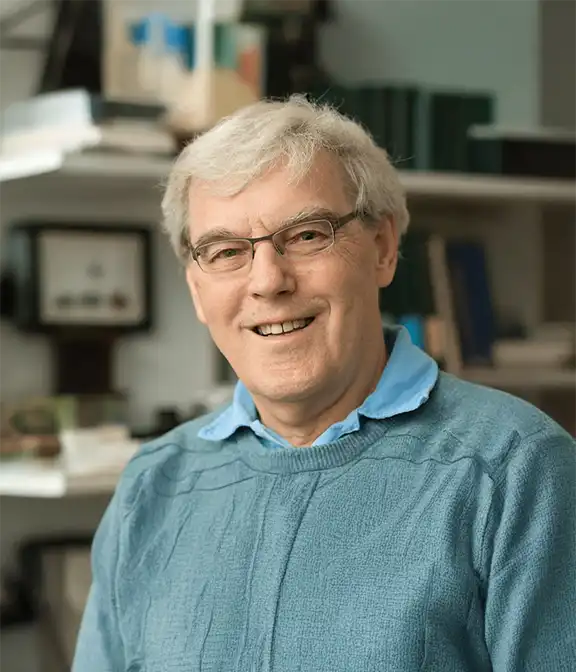
Richard Henderson
Medical Research Council Laboratory of Molecular Biology, Cambridge
Dr. Richard Henderson
Medical Research Council Laboratory of Molecular Biology, Cambridge
Dr. Richard Henderson, is a scientist at the MRC laboratory of Molecular Biology at Cambridge, England. He joined MRC in 1973 and was the Director of the center from 1996-2006. He is a pioneer who was involved in developing high resolution electron cryo-microscopy for which he was awarded the Nobel Prize in 2018. He has many awards and honors to his credit. He has also been closely associated with India and has helped develop Structural Biology in India.
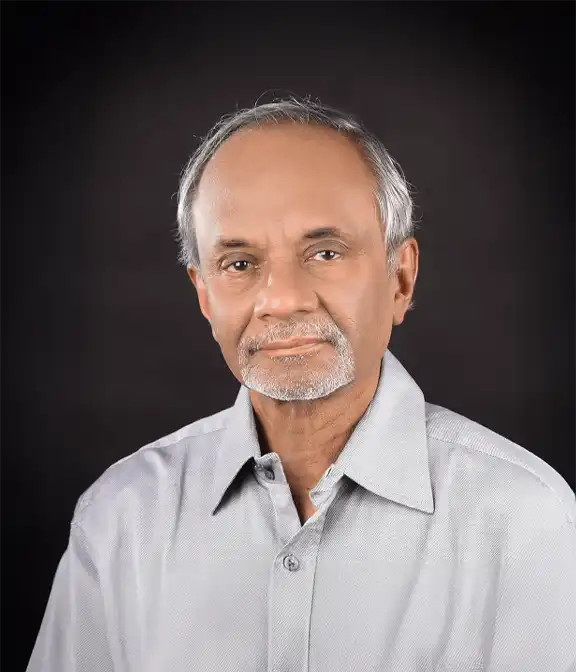
T.S. Balganesh
President, Gangagen Biotechnologies Pvt Ltd.
Dr. T.S. Balganesh
President, Gangagen Biotechnologies Pvt Ltd.
Dr. T.S. Balganesh is trained as a Medical Microbiologist from Jawaharlal Institute Post-Graducate Medical Education and Research (JIPMER), Pondicherry and received a PhD from University of Calcutta. He has also awarded an honorary doctoral degree from the University of Uppsala, Sweden, in 2009.
Possessing more than three decades of experience in antimicrobial drug discovery, Dr Balganesh served as Head of Research at AstraZeneca’s antibacterial drug discovery unit in Bangalore before rising to become the Managing Director and member of the board of AstraZeneca India Pvt. Ltd. Currently, he is holding the position of President and a Director on the board of GangaGen Biotechnologies Pvt. Ltd., Bangalore. He also serves as an advisory member of several national and international grant committees.
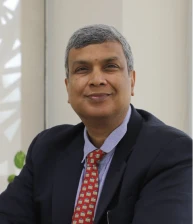
Anurag Agrawal
Dean, BioSciences and Health Research, Trivedi School of Biosciences, Ashoka University
Prof. Anurag Agrawal
Dean, BioSciences and Health Research, Trivedi School of Biosciences, Ashoka University
Professor Anurag Agrawal is Dean, BioSciences and Health Research, Trivedi School of Biosciences, Ashoka University, India, and former director of the Institute of Genomics and Integrative Biology, a national laboratory of CSIR, India. After completing graduate medical education at the All India Institute of Medical Sciences, Delhi, he further trained in Internal Medicine, Pulmonary Disease and Critical Care at Baylor College of Medicine, Houston, USA, followed by a PhD in Physiology from Delhi University. His primary research is in respiratory biology and broader interests are in a new vision of health and healthcare seen through the lenses of emerging technologies. He serves on numerous national and global advisory groups, until recently chairing the World Health Organization technical advisory group for SARS CoV2 viral evolution, the Lancet-Financial Times commission for governing digital health futures, and serving on the pandemic preparedness subgroup at the Global Partnership for Artificial Intelligence. He received the Shanti Swaroop Bhatnagar Prize in 2014, the Sun Pharma Foundation award in 2020, and is a fellow of the Indian national science and medical academies, as well as the world academy of science (TWAS).
Our Team
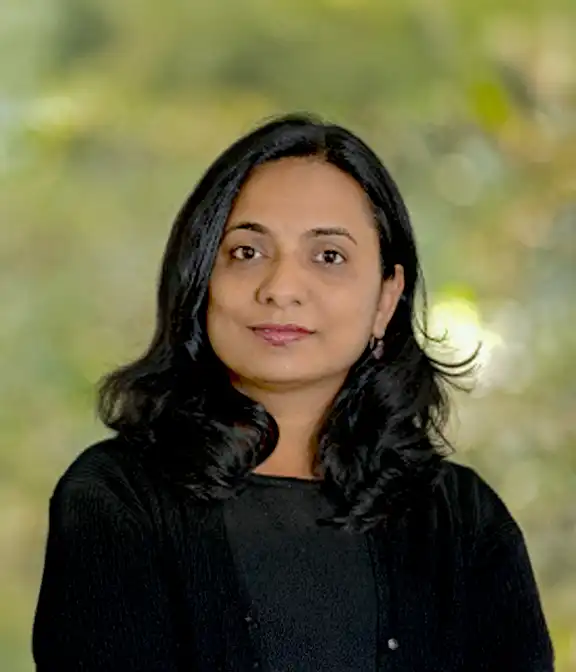
Shravanti Rampalli
CEO - Ignite LSF
Dr. Shravanti Rampalli
CEO - Ignite LSF
Dr. Shravanti Rampalli is a distinguished scientist specializing in Epigenetics and Stem Cell Biology. She earned her PhD from the National Centre for Cell Science (NCCS), Pune, in 2006, followed by postdoctoral training at the Ottawa Health Research Institute and McMaster University, Canada. In 2011, she began her independent career as an Assistant Professor at the Institute for Stem Cell Science and Regenerative Medicine (inStem), Bengaluru, where she established a pioneering research program in stem cell biology. In 2020, she joined the CSIR–Institute of Genomics and Integrative Biology (CSIR–IGIB) to further investigate the molecular mechanisms underlying stemness. Her work has led to publications in high-impact journals, patents, and recognition through prestigious national and international awards for both research and teaching excellence. Beyond her research, Dr. Rampalli served as Head of Business Development at CSIR–IGIB, applying her scientific insights and leadership skills to institutional growth. She also holds an Executive MBA from the Indian School of Business, underscoring her expertise at the interface of science, management, and innovation.

Ramona Parsani
Vice President - Alliances
Ramona Parsani
Vice President - Alliances
Ramona has a plethora of experience in the corporate world and the social sector. Her roles at NGOs such as Ekansh Trust, that advocates for equal access for People with Disabilities, and at Katalyst, an organization that provides mentorship for women in professional programs, had earned her a place as the external member of the POSH committee for RiseSmart in Pune.
She has developed e-Com Business Verticals in Education and Fashion for Vishwakarma Group. Prior to this, as the Digital Transformation Specialist, also for Vishwakarma Group, she has played a pivotal role to transition legacy business to become future ready through digitalization. She has built internal digital practice and capabilities, client marketing strategies and creative execution to reach consumers, locally and globally, in the cluttered digital, mobile, and social arena.
It’s not mountains over beaches for her, it’s both. She is on Instagram for over-the-top dog, racoon and cat personalities, in that order. Ramona is an avid reader and is a co-founder of a Book Club in Pune that has been running for the last 18 years and is a postgraduate from S.P. Jain Institute of Management and Research, Mumbai.
Ambika Kurbet
Head - Program Management
Ambika Kurbet
Head - Program Management
Ambika is a scientific communication expert with over two years of experience in scientific writing and clinical publications. She earned her PhD from the Institute for Stem Cell Science and Regenerative Medicine (inStem), Bangalore, where she explored the mechanisms of epithelial-immune cell cross-talk in embryonic skin using integrin knockout mouse models.
Following her PhD, she channelled her passion for storytelling into writing articles for IndiaBioscience, sharing insights from the life sciences. She then transitioned into the pharmaceutical industry as a Global Medical Writer in the Rare Disease Medical Affairs division at Novo Nordisk, managing end-to-end publications of clinical studies on Haemophilia. Her freelance work has further expanded her skill set, where she successfully crafted CSR grant proposals to secure institutional funding.
Beyond writing, she is deeply committed to mentoring life science graduates, offering thoughtful, engaging content that equips them for personal and professional success. For her, growth is a shared journey, and she is passionate about making a meaningful impact on society through her work.
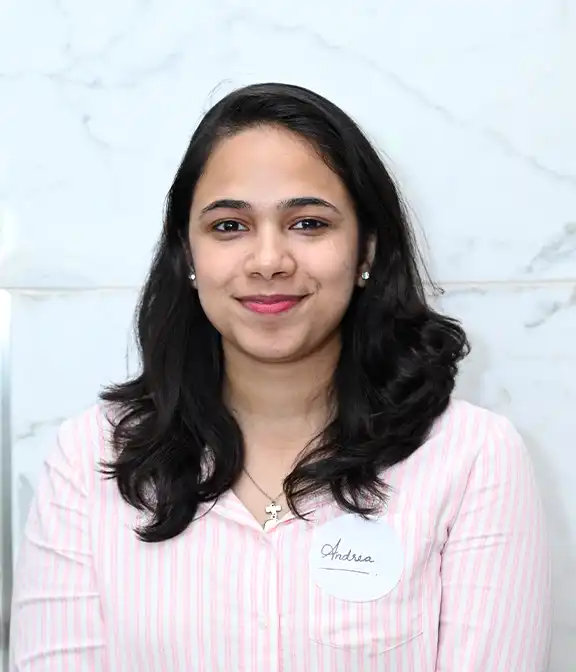
Andrea Antony
Program Manager
Andrea Antony
Program Manager
Andrea is a wonderful mix of scientific prowess and artistic passion. She holds a Master’s in Nanobiotechnology and secured the 2nd rank at University for her Bachelor’s Degree. Beyond academics her interests, like rich tapestry, include films, music, gastronomy, and the expressive arts of both fine art and portrait sketching.
With contagious cheerfulness, she approaches life with a perpetual smile. Her commitment to quality work is mirrored in both her professional endeavors and personal expressions.
As she continues on this fascinating journey in life, she looks forward to connecting with like-minded individuals, exchanging ideas, and making meaningful contributions to the world.
Expert Reviewers
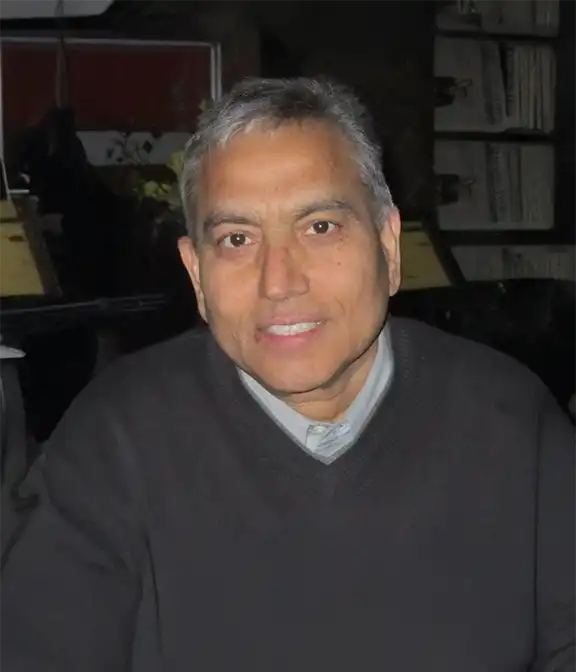
Prabhat Arya
Co-founder, CSO and CEO, Smagen Pharma Co-founder, CSO and CEO, Nihita Therapeutics
Dr. Prabhat Arya
Co-founder, CSO and CEO, Smagen Pharma Co-founder, CSO and CEO, Nihita Therapeutics
Dr. Prabhat Arya has over four decades of experience spanning academia, translational research, and biotechnology innovation across Canada and India. After more than 20 years at the National Research Council of Canada and a brief tenure at the Ontario Institute for Cancer Research, he returned to India in 2009 to serve as Distinguished Research Professor of Chemistry and Chemical Biology at the Dr. Reddy’s Institute of Life Sciences (DRILS), University of Hyderabad, where he was also Dean (2009–2012). His research pioneered natural product–inspired chemical toolboxes to address traditionally “undruggable” targets, including protein–protein and nucleic acid–protein interactions relevant to post-genomic biology. A strong proponent of integrated, interdisciplinary research, Dr. Arya has published over 100 papers, delivered 175 invited lectures, and trained more than 65 doctoral and postdoctoral researchers. He is currently focused on translating academic research into biotech innovation and is a co-founder of two stealth-mode startups—Smagen Pharma and Nihita Therapeutics—targeting cancer, neurological disorders, and anti-metastasis therapies. Dr. Arya earned all his degrees from the University of Delhi and completed postdoctoral training at the University of Cambridge and McGill University.
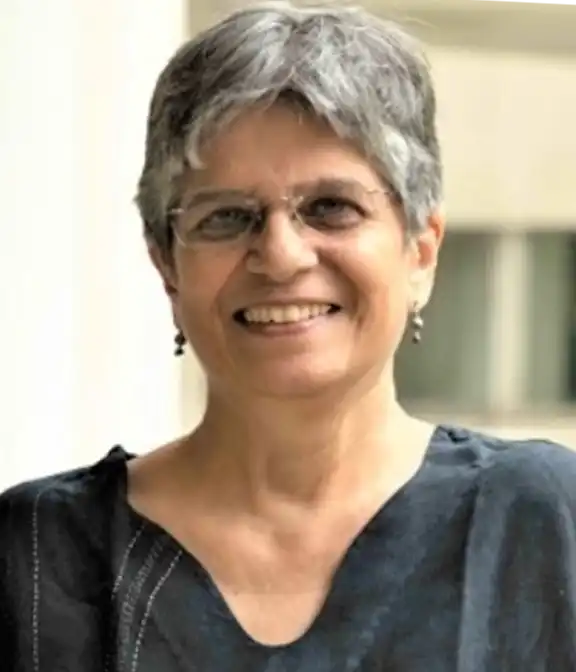
Vineeta Bal
Professor Emeritus
Vineeta Bal
Professor Emeritus
Vineeta Bal is trained as a physician and worked as a researcher in immunology through her working life. She was a faculty at the National Institute of Immunology, New Delhi earlier and now is affiliated with IISER Pune in an honorary capacity. Cellular immunology and infectious disease immunology are areas of her research interest.
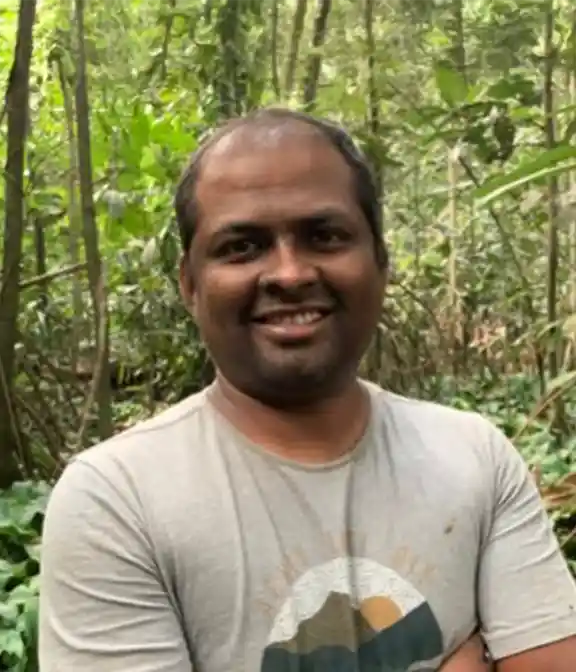
Karthick Balasubramanian
Scientist E, Agharkar Research Institute, Pune
Dr. Karthick Balasubramanian
Scientist E, Agharkar Research Institute, Pune
Dr. Karthick is a freshwater ecologist and diatom specialist at the MACS–Agharkar Research Institute, Pune. His research focuses on the diversity, ecology, and evolution of diatoms and their application in assessing water quality, reconstructing climate history, and understanding ecosystem change. He integrates classical taxonomy, molecular tools, and palaeoecological records to address both fundamental and applied questions in aquatic science. Dr. Karthick leads long-term monitoring programmes on Indian rivers, examining pollution gradients, heavy metals, and microplastics, and applies diatom-based indices for ecological assessment and freshwater restoration. He curates one of India’s most significant diatom collections, including historical samples dating back to the 1940s, and is actively engaged in public and school-level outreach. His broader interests lay at the interface of biodiversity research, environmental policy, and science education. Dr. Karthick holds a PhD in freshwater biodiversity and completed postdoctoral research at the University of Colorado Boulder, USA, focusing on diatom taxonomy and biogeography. Prior to joining ARI, he worked at the Centre for Ecological Sciences, Indian Institute of Science, Bengaluru, and the University of North West, South Africa. He serves on the editorial boards of Scientific Reports, Phytotaxa, and Discovery Environment.
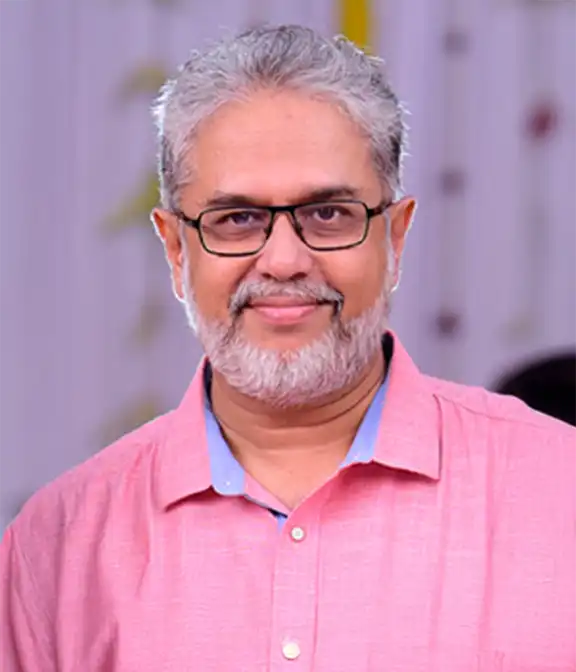
V. Balasubramanian
Founder & COO Bugworks Research India Pvt. Ltd.
V. Balasubramanian
Founder & COO Bugworks Research India Pvt. Ltd.
Bala was previously a Director at an infection business unit at Cellworks Research India Pvt. Ltd, where he led the discovery of new combinations for the treatment of tuberculosis. Prior to this, he spent two decades in infection research and anti-bacterial drug discovery at AstraZeneca India Pvt. Ltd and led the discovery of a clinical drug candidate for the treatment of tuberculosis. Bala served on the Board of AstraZeneca India Pvt. Ltd as Executive Director.
He is presently a member at BIRAC Grants Review, Dept. of Biotechnology, Govt. of India and a member of the American Society for Microbiology. He previously was Co-Chair at Gordon Research Conference, TB Drug Development & Co Vice-Chair at Gordon Research Conference, TB Drug Development.
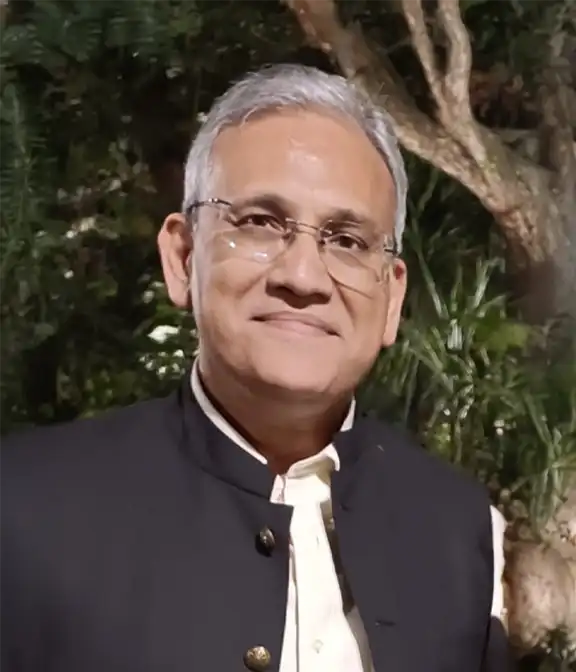
Giriraj Ratan Chandak
Sir JC Bose Fellow at the CSIR-Centre for Cellular and Molecular Biology (CCMB)
Dr. Giriraj Ratan Chandak
Sir JC Bose Fellow at the CSIR-Centre for Cellular and Molecular Biology (CCMB)
Dr. Giriraj Ratan Chandak is a Sir J. C. Bose Fellow at the CSIR–Centre for Cellular and Molecular Biology (CCMB), Hyderabad, and Founder and CEO of Lightening Lives LLP, a social enterprise translating genomic research into community health impact. His work lies at the interface of medical genetics, epigenetics, and public health, with a strong emphasis on translational outcomes. Dr. Chandak studies the genetic and epigenetic basis of non-communicable diseases, particularly type 2 diabetes and related traits, and develops polygenic risk score–based tools for predicting complex disorders. A major focus of his work is genetic screening, counselling, and management of rare but prevalent conditions, especially haemoglobinopathies such as sickle cell anaemia, integrating genomics with community-level healthcare interventions. He has authored over 145 research publications in leading journals including Nature, Nature Genetics, and The Lancet. His contributions have been recognised through numerous honours, including election as Fellow of The World Academy of Sciences (TWAS), the Indian Academy of Sciences, and the National Academy of Medical Sciences, and the award of the Sir J. C. Bose Fellowship.
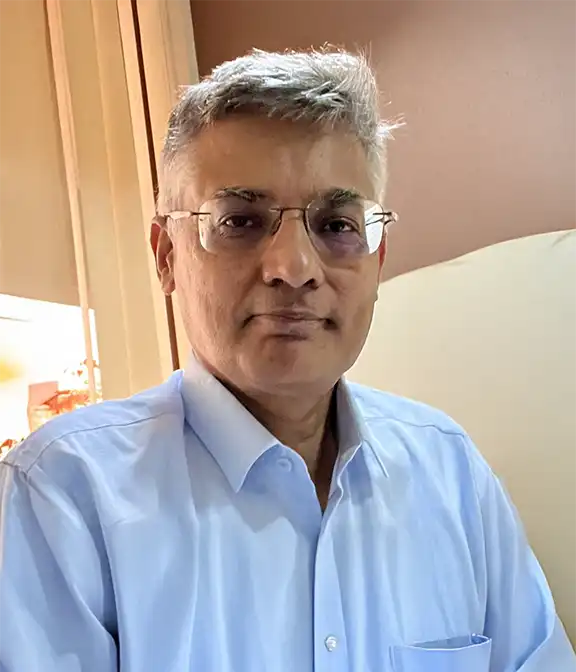
Bharat Char
Chief Science Officer, Mahyco Private Limited
Dr. Bharat Char
Chief Science Officer, Mahyco Private Limited
Dr Bharat Char is Chief Science Officer at Mahyco Private Limited, Jalna, India. He obtained his PhD in Biochemistry and Molecular Biology at the University of Southern California Medical School, Los Angeles, USA, and undertook postdoctoral work at the University of California, Berkeley, USA, in plant molecular genetics. His responsibilities include oversight of the Technology Group and Regulatory programs at the company. He has served on national and international committees in the seed industry.
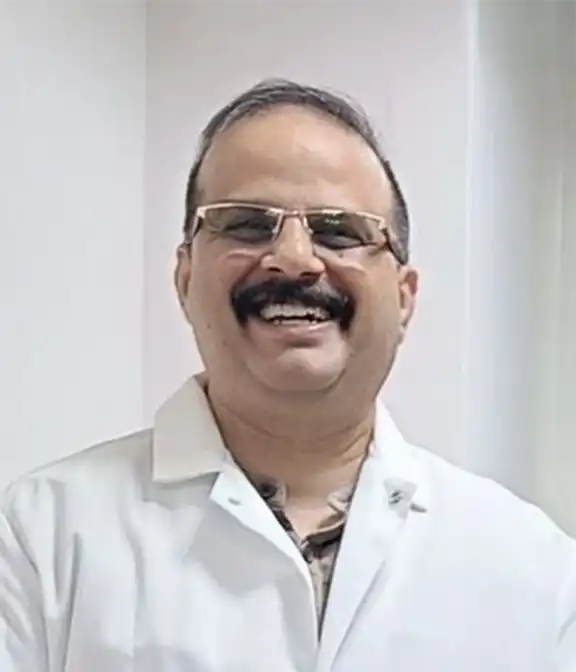
Santosh Chauhan
Senior Principal Scientist, CCMB
Dr. Santosh Chauhan
Senior Principal Scientist, CCMB
Santosh Chauhan is a Senior Principal Scientist at CSIR–Centre For Cellular And Molecular Biology (CCMB). Before this, he was a Senior Scientist at the Institute of Life Sciences (ILS), Bhubaneswar. He led a lab focused on the cell biology of diseases and innate immune responses in infection and cancer. He earned his PhD from AIIMS, New Delhi, and has held postdoctoral fellowships at the University of New Mexico and MD Anderson Cancer Center in the US. He is an elected fellow of all three national academies of sciences (INSA, NASI, IASc). His work contributed to uncovering druggable targets and mechanisms relevant to autoinflammatory, autoimmune, and viral diseases. Further, his work identified novel driver proteins in cancer progression and tumorigenesis, presenting potential targets for anti-cancer therapy. These discoveries offer significant opportunities for developing new therapies to address unmet medical needs.
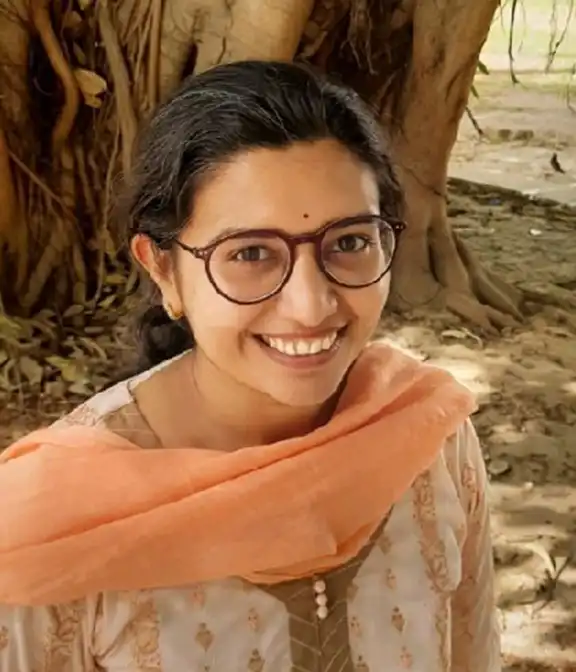
Sheetal Gandotra
Senior Principal Scientist, Host Pathogen Interactions, CSIR-IGIB, New Delhi
Sheetal Gandotra
Senior Principal Scientist, Host Pathogen Interactions, CSIR-IGIB, New Delhi
Sheetal Gandotra is Senior Principal Scientist at the CSIR-Institute of Genomics and Integrative Biology, New Delhi. Her group works to understand the role of lipid metabolism during Mycobacterium tuberculosis infection with a focus on inflammation in tuberculosis. Using a multipronged approach of cell and molecular biology, genomics and biochemistry, her group studies the role of lipid droplets and proteins in the innate immune defence against mycobacteria as well as lipid remodelling pathways of mycobacteria that help it counter host defense mechanisms and cause inflammation.
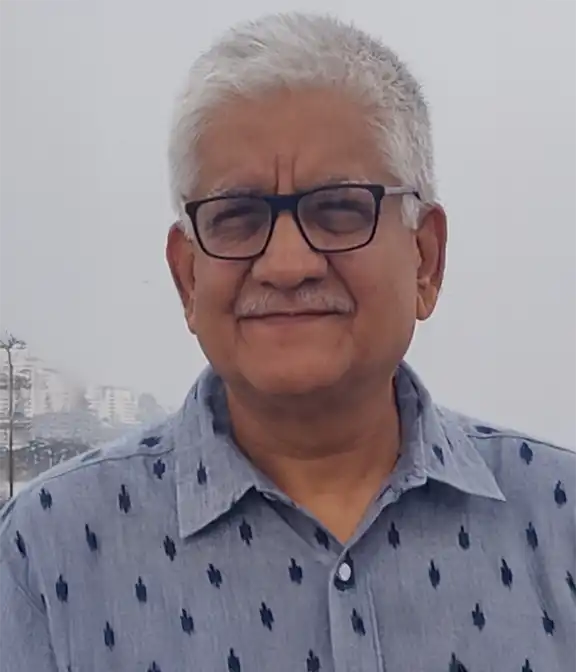
Surendra Ghaskadbi
Former Scientist G & CSIR Emeritus Scientist Honorary Advisor, Developmental Biology Group, MACS-Agharkar Research Institute, Pune Professor of Practice, Dr. D.Y. Patil Biotechnology and Bioinformatics Institute, Pune
Dr. Surendra Ghaskadbi
Former Scientist G & CSIR Emeritus Scientist Honorary Advisor, Developmental Biology Group, MACS-Agharkar Research Institute, Pune Professor of Practice, Dr. D.Y. Patil Biotechnology and Bioinformatics Institute, Pune
Dr. Surendra Ghaskadbi has been associated with the Developmental Biology group at the MACS–Agharkar Research Institute (ARI), Pune-an autonomous institute under the Department of Science and Technology, Government of India-since 1985. His research interests span cell signalling during regeneration and pattern formation, evolution of developmental mechanisms, and stem cell biology. He has worked with a wide range of model systems, including chick, amphibian and snail embryos, sponges, hydra, and human mesenchymal and embryonic stem cells. Over the past two and a half decades, he has played a key role in reintroducing hydra as a model organism for teaching and research in India. Dr. Ghaskadbi has published extensively in reputed peer-reviewed journals and maintains strong national and international collaborations. He is actively involved in postgraduate teaching, has delivered numerous invited lectures, and is deeply engaged in science outreach across India. He serves as a Treasurer of the Maharashtra Association for the Cultivation of Science and is a past President of the Indian Society of Developmental Biologists and the Indian Society of Cell Biology. He is an Elected Fellow of the National Academy of Sciences, India, and the Maharashtra Academy of Sciences.
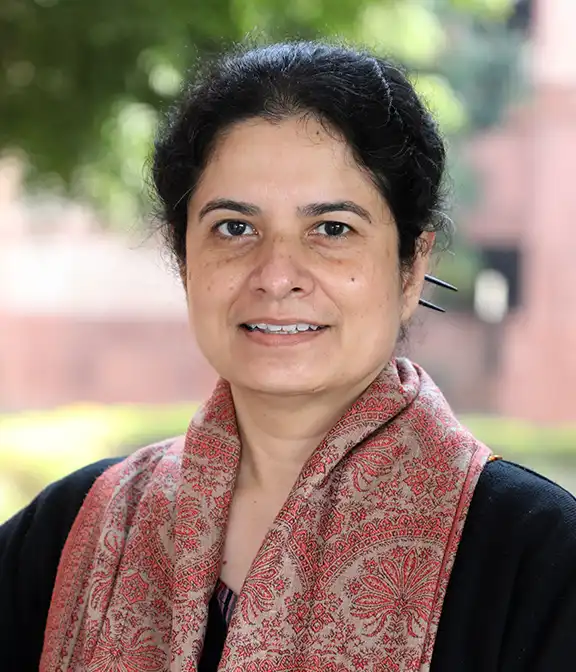
Saman Habib
Chief Scientist CSIR-Central Drug Research Institute, Lucknow
Saman Habib
Chief Scientist CSIR-Central Drug Research Institute, Lucknow
Prof. Habib graduated from Delhi University and pursued her PhD at NII, New Delhi. She has explored processes and proteins unique to the malaria parasite, contributing to understanding mechanisms of translation, replication and repair of organelle genomes, [Fe-S] biogenesis and transport, and identifying targets for drug design. She has also investigated human genetic polymorphisms and their influence on susceptibility to severe falciparum malaria in populations residing in disease-endemic regions of India. She leads a programme for the development of a novel antimalarial.
Prof. Habib has been elected as Fellow of all the three Science Academies of India, and is a JC Bose National Fellow.
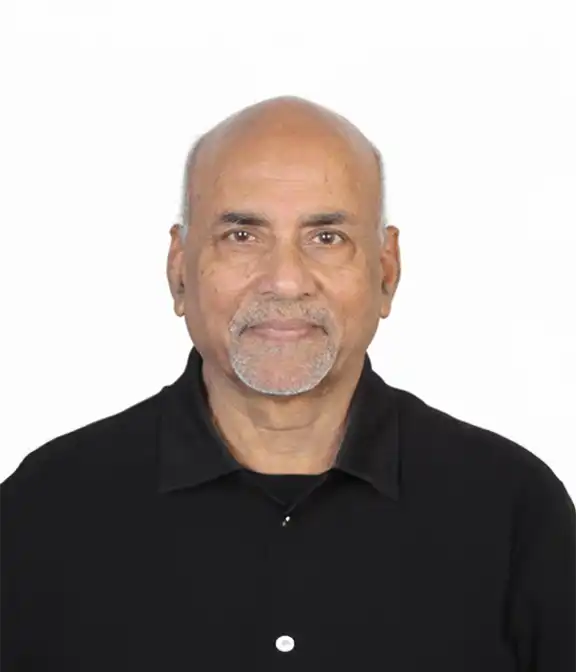
Javed Iqbal
Founder and Chairman Incor Life Sciences Hyderabad https://incorrenovis.com/
Prof. Javed Iqbal
Founder and Chairman Incor Life Sciences Hyderabad https://incorrenovis.com/
Prof. Javed Iqbal graduated from the University of Delhi and pursued postdoctoral research at the University of Cambridge with Prof. Ian Fleming, FRS, followed by a research fellowship at the University of Oxford with Prof. J. E. Baldwin, FRS. He served as Professor at IIT Kanpur from 1984 to 1999 before moving to Dr Reddy’s Laboratories Ltd., Hyderabad, where he held senior leadership roles including Distinguished Research Scientist, Global Head–Discovery Chemistry, and Director of the Dr Reddy’s Institute of Life Sciences (2000–2013). His research contributions span catalysis in organic synthesis, drug discovery, process chemistry, and natural product synthesis, with a major impact on therapeutics for diabetes, cancer, and infectious diseases. He has guided 30 PhD students, published over 200 research papers, and filed 90 patents across pharmaceuticals and API process development. Prof. Iqbal is the promoter of two startups – Cosmic Discoveries and Zephase Therapeutics – and has held visiting and adjunct academic positions across the USA, Europe, Australia, Japan, and New Zealand. He is a Fellow of Indian Science Academies and IUPAC, and has served on IUPAC committees on chemicals and drugs.

Colin Jamora
Senior Professor and Head of the Department of Life Sciences, Shiv Nadar Institution of Eminence
Colin Jamora
Senior Professor and Head of the Department of Life Sciences, Shiv Nadar Institution of Eminence
Colin Jamora, PhD is Senior Professor and Head of the Department of Life Sciences at the Shiv Nadar Institution of Eminence. Prior to this, he served as a Professor and Coordinator of the Centre for Inflammation and Tissue Homeostasis, as well as the Head of Research Infrastructure at the Institute for Stem Cell Science and Regenerative Medicine (inStem), Bangalore.
Dr. Jamora leads a research program focused on tissue regeneration and repair, using the skin as a model system. Among the discoveries from this research program, his laboratory has uncovered novel functions of immune cells beyond pathogen defense, highlighting their complex interactions with diverse cell types in the skin during wound healing. Though grounded in fundamental biology, his work is translational in scope—aimed at developing innovative therapies for inflammatory and skin disorders through active collaborations with clinicians and industry partners.
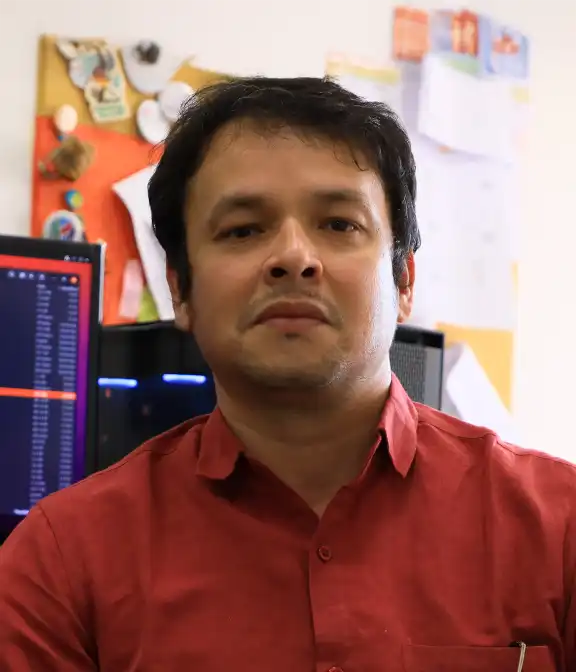
Imroze Khan
Associate Professor of Biology, Ashoka University
Dr Imroze Khan
Associate Professor of Biology, Ashoka University
Dr. Imroze Khan is an Associate Professor of Biology at Ashoka University, with research expertise in evolutionary biology and immunology. His work focuses on the evolution of immune systems and host–pathogen interactions, combining experimental evolution using insect model systems with theoretical modelling, genomics, and molecular biology approaches. He also examines the broader design principles of immune responses across populations and species. Alongside his research, Dr. Khan actively engages with interdisciplinary scholarship, exploring the intersections of evolutionary thinking with cultural history and liberal education. He views evolutionary biology as a conceptual bridge between the natural sciences and the humanities, shaped by historical perspectives and natural experiments. Dr. Khan holds a Bachelor’s Degree in Chemistry from St. Xavier’s College, Kolkata, a Master’s Degree in Biochemistry from the University of Calcutta, and a PhD in Evolutionary Biology from IISER Kolkata. Prior to joining Ashoka University, he was a postdoctoral fellow at the National Centre for Biological Sciences (NCBS), Bengaluru, and a visiting researcher at the Free University of Berlin.
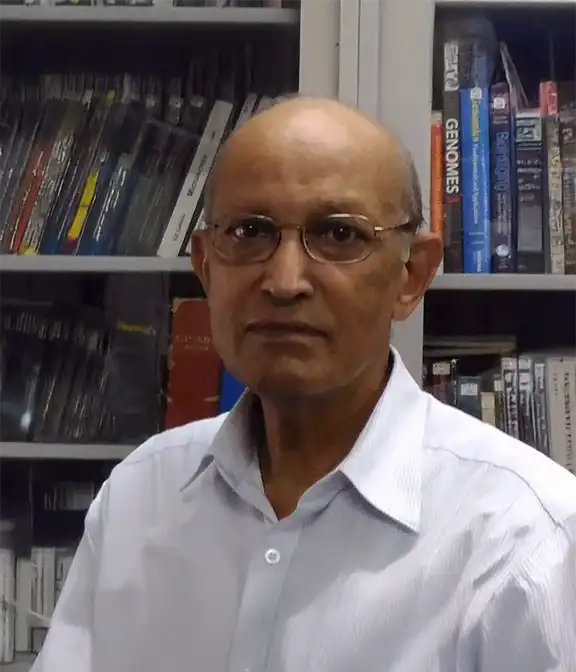
Subhash Chandra Lakhotia
BHU Distinguished Professor (Lifetime) and SERB Distinguished Fellow
Prof. Subhash Chandra Lakhotia
BHU Distinguished Professor (Lifetime) and SERB Distinguished Fellow
Prof. S. C. Lakhotia is a Lifetime Distinguished Professor in the Department of Zoology at Banaras Hindu University. He obtained his PhD from the University of Calcutta in 1970 for his pioneering work on dosage compensation in Drosophila and has been actively engaged in teaching and research since 1971. His research extensively uses Drosophila as a model system to investigate developmental gene regulation, chromosome replication, cell stress responses, long non-coding RNAs, neurodegeneration, tumour biology, and emerging areas such as Ayurvedic biology. Beyond laboratory research, Prof. Lakhotia has been deeply involved in national discussions on the quality of higher education, research integrity, and publication ethics, and is a strong advocate for improving the standards of Indian scientific journals. He has served as Editor-in-Chief of the Proceedings of the Indian National Science Academy and as a member of the editorial boards of Current Science, Journal of Biosciences, RNA Biology, Cell Stress & Chaperones, and Annals of Neurosciences. An elected Fellow of all three Indian science academies and a Senior Fellow of the Cell Stress Society International (USA), he is a recipient of numerous honours, including the INSA Young Scientist Medal, S. S. Bhatnagar Prize, UGC J. C. Bose Medal, INSA Aryabhata Medal, and the SERB Distinguished Fellowship.
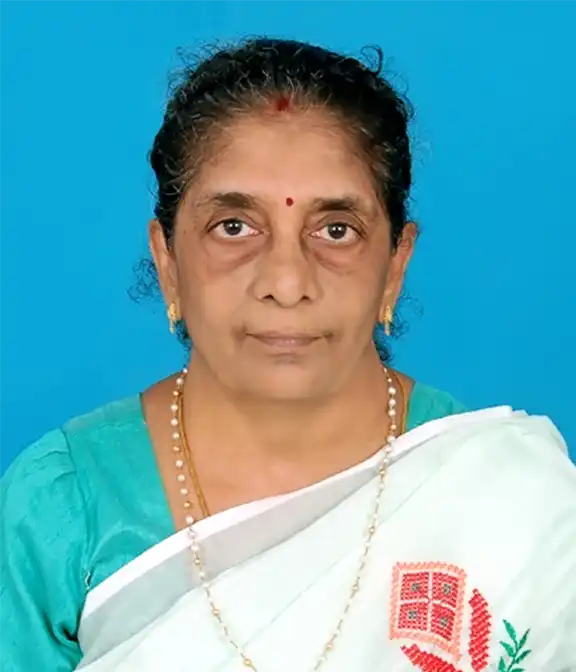
T. S. Lokeswari
Professor
Dr. T. S. Lokeswari
Professor
Dr. T. S. Lokeswari is a Professor (Retd.) from the Department of Biotechnology at Sri Ramachandra Institute of Higher Education and Research (Deemed University), Chennai. She brings over 14 years of experience as a research scientist, 12 years as an academic researcher, and 7 years in academic administration, with a strong commitment to developing creative, progressive, and digitally enabled solutions in biotechnology. Her research spans plant biotechnology and molecular biology, with major contributions to clonal propagation of crops and medicinal plants, including coffee, banana, rose, and over 20 other species. She has also worked extensively on the bioactivity of phytochemicals, particularly antimicrobial, antifungal, and wound-healing properties. Her work in chiral biotransformation demonstrated highly efficient asymmetric reduction using in vitro carrot cell systems. Dr. Lokeswari has developed sensitive PCR-based methods (AFLP and ISSR) to assess genetic variation in clonal plants and pioneered molecular diagnostics for Banana Bunchy Top Virus, including a patented AuNP probe assay. This technology received national recognition and led to a Technology Day Award from the Ministry of Science & Technology and DBT for providing virus indexing of tissue-cultured banana plants as a service.
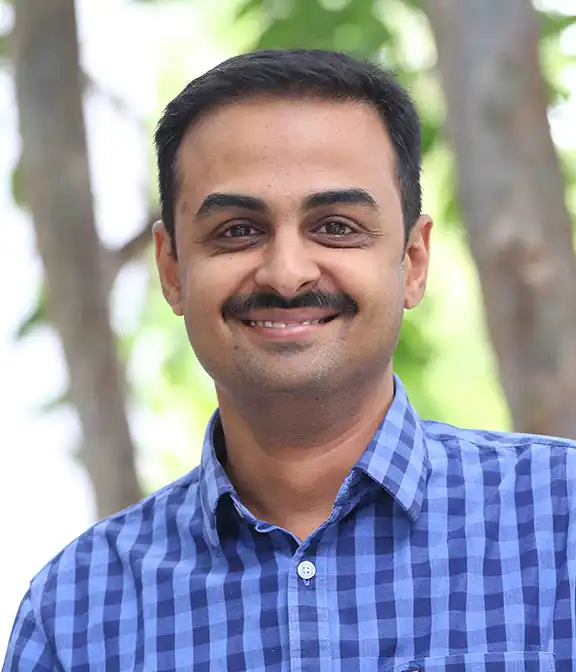
Ravi Manjithaya
Professor and Chair of Molecular Biology and Genetics Unit and Neuroscience Unit at JNCASR
Prof. Ravi Manjithaya
Professor and Chair of Molecular Biology and Genetics Unit and Neuroscience Unit at JNCASR
Prof. Ravi Manjithaya is a Professor and Chair of the Molecular Biology and Genetics Unit and the Neuroscience Unit at the Jawaharlal Nehru Centre for Advanced Scientific Research (JNCASR), Bengaluru. He obtained his PhD from the Indian Institute of Science, where he studied post-transcriptional gene regulation, followed by postdoctoral training at the University of California, San Diego, focusing on autophagy-related pathways. Since joining JNCASR in 2011, his laboratory has investigated the molecular mechanisms regulating autophagy and related pathways in health and disease. His research employs diverse model systems, including yeast, mammalian cell lines, mouse, and Drosophila, and disease models such as intracellular infections, neurodegeneration, and pancreatic cancer. His group integrates basic biology with therapeutic discovery, identifying small drug-like molecules that modulate autophagy flux. Prof. Manjithaya was a Wellcome Trust–DBT Intermediate Fellow (2011–2016) and has received several prestigious honours, including the Sir C. V. Raman Young Scientist Award (Karnataka, 2019), the CDRI Award for Excellence in Drug Research (2020), and the S. Ramachandran–National Bioscience Award for Career Development from DBT. In 2024, he was elected a Fellow of the National Academy of Sciences, India (NASI).
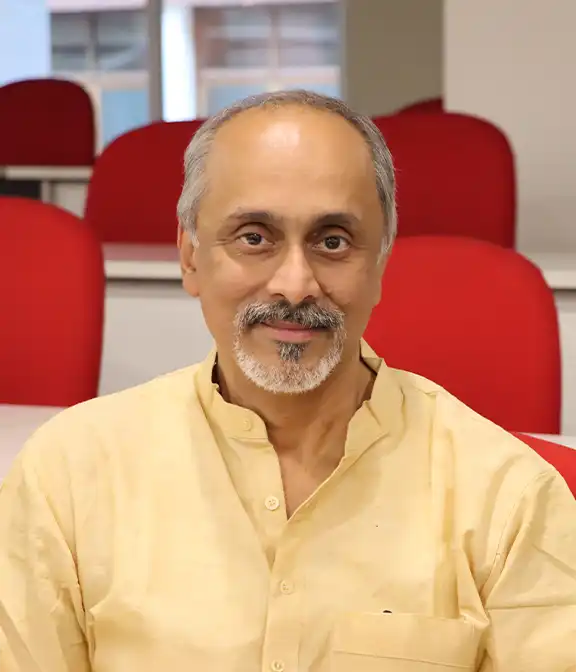
Gautam Menon
Dean (Research) and Professor of Physics and Biology, Ashoka University
Dr. Gautam Menon
Dean (Research) and Professor of Physics and Biology, Ashoka University
Gautam Menon is Dean (Research) and Professor of Physics and Biology at Ashoka University, Sonepat in India. His current research work, spread over approximately 100 papers, is in the two broad areas of biophysics and epidemiology. Currently, he works on a number of biophysical problems, including nuclear architecture, axonal transport, collective cell migration and cell adhesion, as well as on large-scale agent-based models of infectious disease. He has been awarded India’s two top mid-career fellowships, the Swarnajayanti Fellowship and the DAE-SRC Outstanding Research Fellowship, as well as being named an Outstanding Referee of the American Physical Society (2011). His named lectures include the Cockroft-Walton lecture, the G N Ramachandran Memorial Lecture and the K S Krishnan Endowment Lecture. He has been a speaker at, or organizer of, a number of bilateral initiatives, including the Indo-US Frontiers of Science, the Indo-US Frontiers of Engineering, the Indo-UK Frontiers of Science and the Indo-Israeli Workshops on Condensed Matter Physics. He was elected a Fellow of the National Academy of Sciences, India, in 2019. He currently serves as a Commissioner on a Lancet Commission on Epidemiological Modeling and on a WHO Panel on Health, Climate and Ethics.
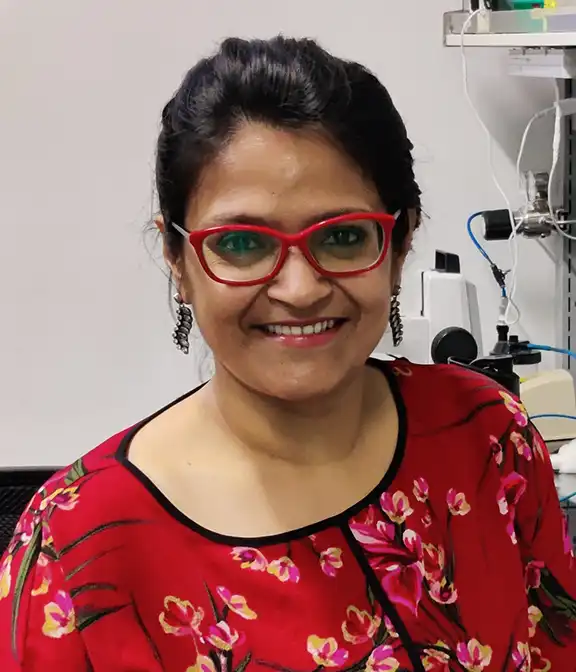
Tina Mukherjee
Associate Investigator at the Institute for Stem Cell Science and Regenerative Medicine (inStem)
Dr. Tina Mukherjee
Associate Investigator at the Institute for Stem Cell Science and Regenerative Medicine (inStem)
Dr. Tina Mukherjee is an Associate Investigator at the Institute for Stem Cell Science and Regenerative Medicine (inStem), Bengaluru. She holds a Bachelor’s degree in Biochemistry from the University of Delhi and a Master’s degree in Biochemistry from the All India Institute of Medical Sciences (AIIMS), New Delhi. She obtained her PhD in Developmental Biology from the Max Planck Institute for Biophysical Chemistry, Germany, where she studied the role of the JAK/STAT pathway in cellular proliferation. Dr. Mukherjee subsequently completed her postdoctoral training at the University of California, Los Angeles, in the laboratory of Dr. Utpal Banerjee, investigating signalling networks governing hematopoiesis, blood progenitor cell fate specification, and stress survival. Her work highlighted systemic, non-niche-driven regulation of blood progenitor development and demonstrated the influence of sensory stimulation on hematopoiesis. At inStem, her laboratory employs a multi-model approach using Drosophila, mosquitoes, and mouse models to study the metabolic requirements of blood cell development and the non-immune roles of immune cells in physiology and homeostasis. Her recent findings underscore the role of olfaction in immune priming and the contribution of blood cells to organismal growth regulation.
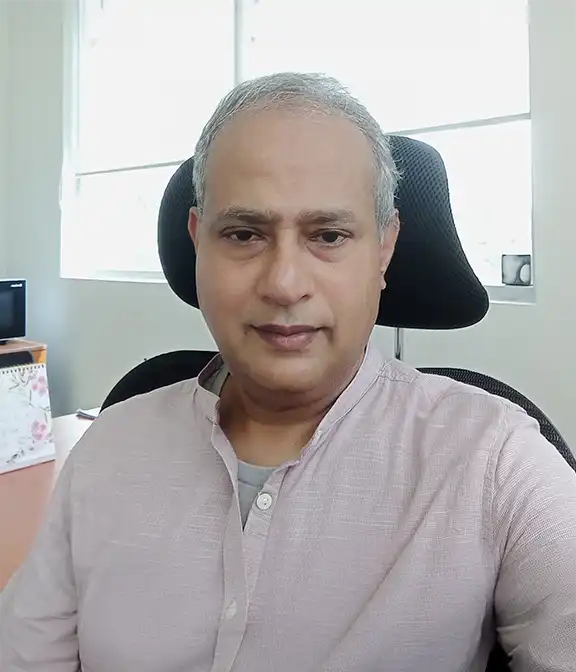
Ravi Muddashetty
Associate Professor, CBR, IISC
Ravi Muddashetty
Associate Professor, CBR, IISC
Ravi Muddashetty is a Neurobiologist interested in cellular and molecular aspects of memory and cognition. Ravi also works on synaptic dysfunctions leading to memory and cognitive defects during development and ageing using animal, stem cell models and human ageing cohort studies. Ravi got his PhD from the University of Muenster in Germany in Cell Biology and Genetics and did his postdoctoral research at Albert Einstein College of Medicine (NY) and Emory University in Atlanta, USA. Returning to India as a faculty member at inStem (Bangalore), Ravi worked on several aspects of neurodevelopment and molecular pathology in autism spectrum disorders. After moving to the Centre for Brain Research (CBR) at IISc, Bangalore, Ravi has focused on synaptic defects contributing to loss of cognition in the ageing brain. Ravi’s research interest encompasses many aspects of synaptic biology, including activity-mediated protein synthesis, calcium signalling, bioenergetics in neurons, epitranscriptome and RNA-mediated synaptic pathology.
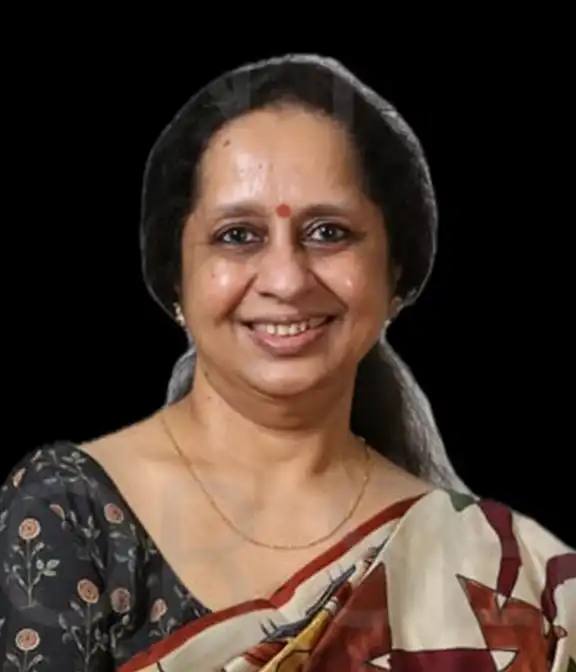
Vasanthi Ramachandran
Vice-President, Collaborations Bugworks Research India Pvt Ltd
Vasanthi Ramachandran
Vice-President, Collaborations Bugworks Research India Pvt Ltd
Dr. Vasanthi is currently leading efforts in Clinical Microbiology and in establishing Collaborations / Partnerships for pre-clinical studies and development of novel broad-spectrum small molecules targeted to address anti-microbial resistance (AMR) in serious bacterial infections.
She was previously at AstraZeneca for over 25 years, mainly in the area of bacterial infections, including different diarrheal diseases and tuberculosis. Vasanthi provided strategic inputs to many projects towards the discovery of novel drugs against tuberculosis. She also led teams specialised in phenotypic screens, whole cell-based mechanism of action assays, and led hit-to-lead programs. She received her doctoral degree in Microbiology and Cell Biology from the Indian Institute of Science, Bangalore.
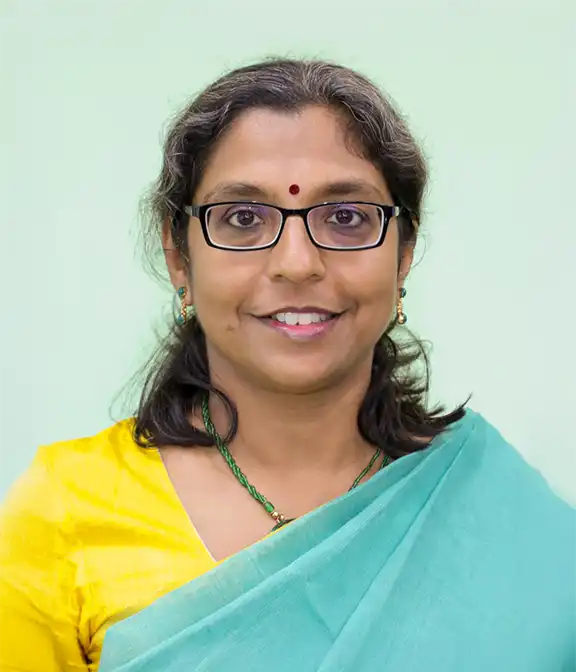
Radha Rangarajan
Director, CSIR- CDRI, Lucknow
Dr. Radha Rangarajan
Director, CSIR- CDRI, Lucknow
Dr. Radha Rangarajan is the Director of the Central Drug Research Institute (CDRI), a constituent laboratory of the Council of Scientific and Industrial Research (CSIR), and a leader in translational research and product development with a strong focus on antimicrobial resistance (AMR). Over the past two decades, she has contributed extensively to antibacterial drug discovery and healthcare innovation. She previously worked in the Drug Discovery division at Dr Reddy’s Laboratories (2003–2009) and later co-founded Vitas Pharma, where she led the preclinical development of multiple novel classes of antibiotics. In 2020, she served as Chief Technology Officer at HealthCube, overseeing product development, clinical validation, manufacturing, and regulatory affairs. Dr. Rangarajan has received several prestigious honours, including the FICCI Award of Excellence for Women in R&D (2019), the Discovery Award from the Longitude Prize Committee, UK, for Vitas Pharma (2016), and the “Biotech Startup of the Year” award for HealthCube at the Bengaluru Tech Summit (2021). She serves on the Board of Governors of the Tres Cantos Open Lab Foundation, UK, and contributes to multiple national and international advisory and selection committees. Dr. Rangarajan holds a B.S. in Biology from Stanford University, a PhD from The Rockefeller University, and completed her postdoctoral training at the Harvard School of Public Health.
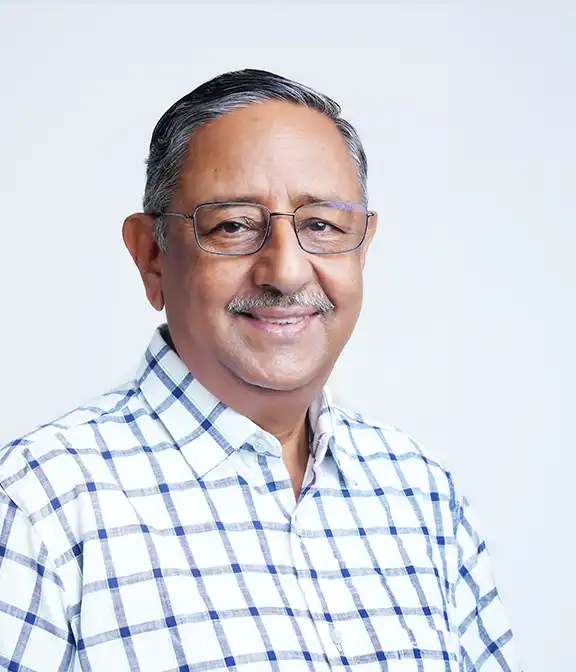
E. V. S. Prakasa Rao
Honorary Scientist, CSIR-Fourth Paradigm Institute, Bengaluru
E. V. S. Prakasa Rao
Honorary Scientist, CSIR-Fourth Paradigm Institute, Bengaluru
E. V. S. Prakasa Rao, presently an Honorary Scientist, CSIR-Fourth Paradigm Institute, Bangalore, was Former Head, Central Institute of Medicinal and Aromatic Plants, Research Centre, Bangalore. His expertise is Agronomy, Natural Resources Management, Climate change mitigation and adaptation in agriculture, Medicinal and Aromatic Plants and application of digital technologies in agriculture. He obtained M. Sc and PhD in Agronomy from Indian Agricultural Research Institute, New Delhi. He published over 153 papers in international and Indian journals, 130 conference papers and delivered 95 invited lectures. He is a Fellow of the National Academy of Agricultural Sciences, Indian Society of Agronomy, Indian Society of Spices. His recognitions include the Indian Society of Agronomy Gold Medal; Fertilizer Association of India Silver Jubilee Award of Excellence, Potash and Phosphate Institute of Canada-FAI Award, and International Phosphate Institute-FAI Award. He was Co-Editor-in-Chief, Indian J Agronomy. He is an Executive Committee Member of the National Academy of Agricultural Sciences.
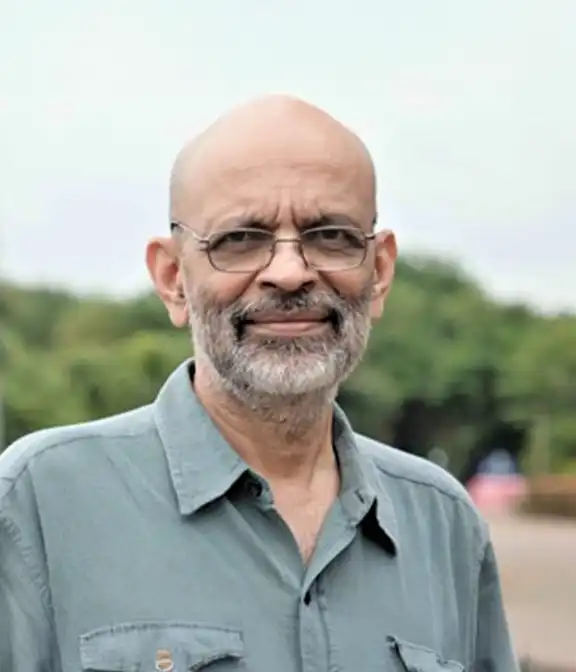
Satyajit Rath
Professor Emeritus
Satyajit Rath
Professor Emeritus
Satyajit Rath was trained as a physician and a pathologist in Pune and Mumbai in the seventies and eighties. But since then, he has worked on mechanisms involved in the development and functioning of the immune system, initially in India and overseas, then as a faculty member at the National Institute of Immunology (NII) in New Delhi. Since his retirement, he has also worked in an honorary capacity at the Indian Institute of Science Education and Research (IISER) in Pune. He also works with the government on issues of science and society-related policy, with scientific journals in an editorial capacity, with small companies on drug discovery, and with civil society groups, especially those involved in science education and those working more broadly at the interface of science and society.
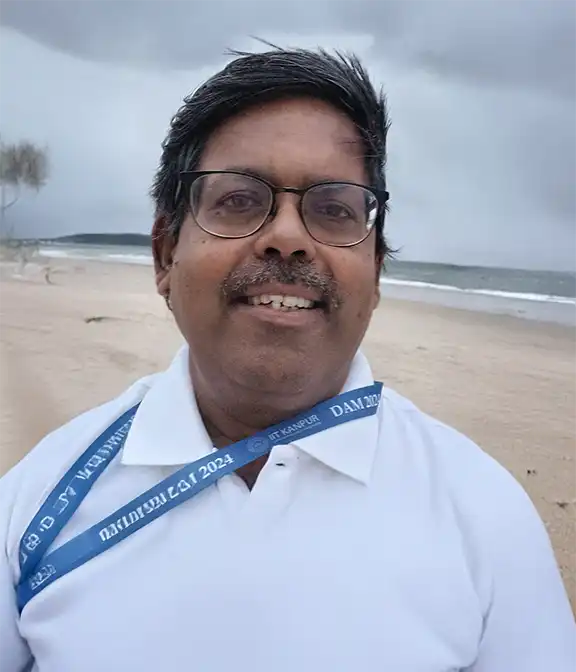
Ramasubbu Sankararamakrishnan
Professor in the Department of Biological Sciences and Bioengineering at IIT-Kanpur.
Dr. R. Sankararamakrishnan
Professor in the Department of Biological Sciences and Bioengineering at IIT-Kanpur.
Dr. R. Sankararamakrishnan is a Professor in the Department of Biological Sciences and Bioengineering at the Indian Institute of Technology, Kanpur. His research focuses on understanding the mechanisms of transport and selectivity in membrane protein channels and transporters, protein–protein interactions, and novel non-covalent interactions in biomolecules. He employs an interdisciplinary approach combining bioinformatics, molecular simulations, and quantum chemistry calculations. Dr. Sankararamakrishnan obtained his PhD from the Molecular Biophysics Unit at the Indian Institute of Science, Bengaluru, and completed postdoctoral training at the University of Oxford, UK, and the University of Illinois at Urbana–Champaign, USA. He also served as Assistant Professor (Research) at the Mount Sinai School of Medicine, New York, before joining IIT Kanpur in 2002. He is a recipient of the National Bioscience Award for Career Development from the Department of Biotechnology, Government of India, and has been awarded Endowed Chair Professorships at IIT Kanpur on three occasions. In recognition of his contributions to teaching, he received the IIT Kanpur Distinguished Teacher Award in 2023. He has published approximately 80 research papers in leading international journals.
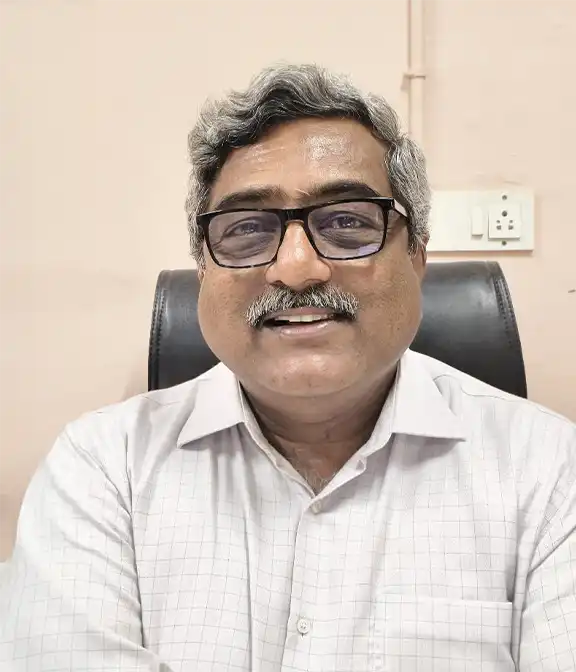
M.S. Sheshshayee
Professor, Department of Crop Physiology
Dr. M.S. Sheshshayee
Professor, Department of Crop Physiology
Dr. Sheshshayee strategically identified physiological traits for drought adaptation and devised robust phenotyping methods to capture genetic variability. He established a National Facility for stable isotopes and a drought-simulator phenomics platform and screened large germplasms of rice, groundnut, ragi, etc. Precise stress imposition protocol, despite differences in transpiration developed by him, paved the way to assess stress response and variability in ‘Acquired tolerance’ traits. His pioneering efforts on QTL discovery and molecular breeding led to the development of rice (Daksha) and groundnut (GKVK-5) varieties through physiological traits introgression. The enhanced resilience and yield of these cultivars increased the income of the farmers.
Through active national and international collaborations, he sequenced the whole genome of ragi and developed extensive genetic and genomic resources for use in crop improvement.
He is a motivating teacher and contributed to restructuring the Plant Physiology syllabi in Agricultural Universities. He is an elected Fellow of NASI and a recipient of the prestigious INSA Teacher award.
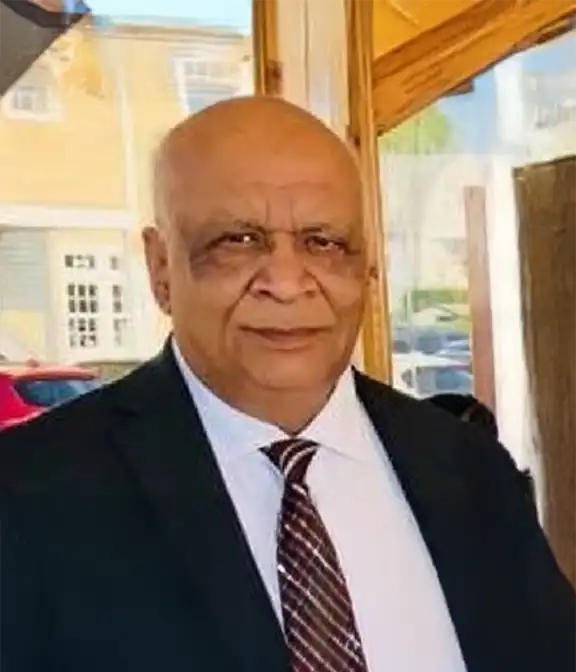
Suhaib Siddiqi
Scientist
Suhaib Siddiqi
Scientist
Suhaib Siddiqi is a scientist in the field of infectious diseases, nucleic acids and genomics. As a head of the departments, he led the research and development efforts at various biotechnology and pharmaceutical companies. He was the first Director of Chemistry at Moderna.
He has a Doctorate in Chemistry from the University of Technology, Vienna, Austria. He currently serves as a scientific advisor to various biotechnology companies. He was the inventor of a potent antiviral agent, (-)-5’-Noraristeromycin and Virtual Terminators for the DNA/RNA sequencing. He has published 31 peer-reviewed papers and 47 patents.
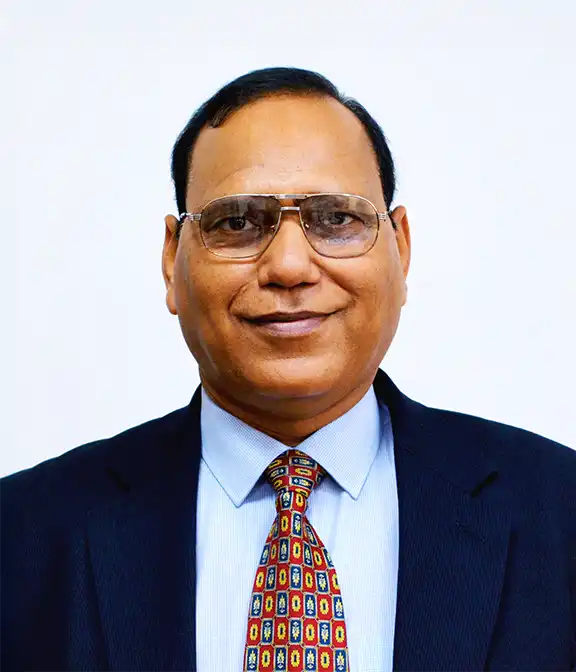
A.K. Singh
Former Director and Vice Chancellor, IARI, Pusa, New Delhi
Dr. A. K. Singh
Former Director and Vice Chancellor, IARI, Pusa, New Delhi
Dr. A. K. Singh is an Emeritus Scientist in the Division of Genetics at the Indian Agricultural Research Institute (IARI), New Delhi, and a globally recognised rice breeder. Over three decades at IARI, he has played a pivotal role in the development of 25 Basmati rice varieties, now cultivated across nearly two million hectares and generating approximately ₹50,000 crore annually in foreign exchange, while supporting the livelihoods of millions of farmers. During his tenure as Director and Vice-Chancellor of IARI, the institute received the Sardar Patel Outstanding Award and achieved top national rankings under NIRF and IIRF, along with strong global recognition in agriculture. He led the establishment of IARI-Assam and IARI-Jharkhand to advance agricultural transformation in eastern and north-eastern India and spearheaded alignment with NEP 2020 towards creating a Multidisciplinary Education and Research University (MERU). Dr. Singh also contributed to establishing international agricultural institutions in Myanmar and Afghanistan. He is a Fellow of INSA, NASI, and NAAS, and a recipient of numerous national honours, including the Borlaug Award, ICAR Rafi Ahmad Kidwai Award, C. Subramaniam Award, and several lifetime achievement and teaching awards.
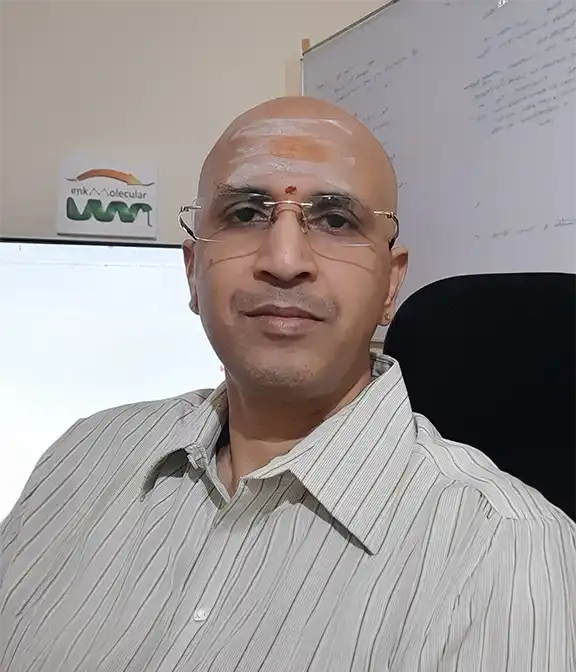
Ramesh Sistla
Founder & MD, thinkMolecular
Ramesh Sistla
Founder & MD, thinkMolecular
Ramesh Sistla is the founder and MD of thinkMolecular, a startup focused on molecular simulations to advance drug discovery. The startup designs small molecule therapeutics in collaboration with global biotechs.
He builds on his previous experience as the CADD groups at BMS(BBRC) in Syngene and prior to that at Aurigene. His group was responsible for supporting the inventions led by 100+ strong medicinal chemistry group across India and US. This has led to his being a co-inventor in more than thirty patents and 15 research publications until now.
Ramesh has a Ph. D. in condensed matter physics from IIT Madras and worked in computational biology at the MBU in IISc for his post-doctoral research. His current areas of research include molecular recognition of ligands by target proteins, role of water in the protein-ligand interactions, metabolism prediction and AI/ML approaches along with physics-based methods.
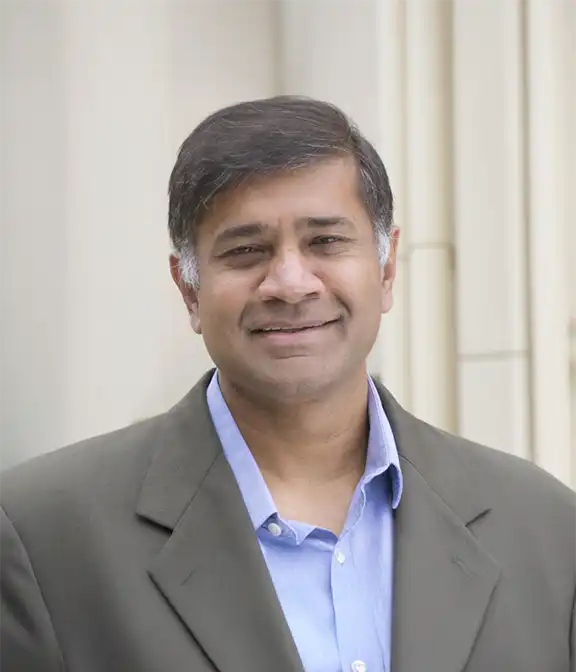
Kalyanasundaram Subramanian
CEO & Co-Founder Differentia Bio
Kalyanasundaram Subramanian
CEO & Co-Founder Differentia Bio
Kalyanasundaram Subramanian is the CEO and Co-Founder of Differentia Bio, a company that provides modeling services to the pharma industry. He has more than 25 years of experience in applying modeling to drug discovery and development across a broad range of therapeutic areas and treatment modalities along with more than 20 years of executive-level experience at Applied Biomath LLC, Syngene International, Strand Life Sciences Pvt. Ltd and Entelos. He also helped found a group to perform research in synthetic and hybrid vectors for gene delivery at Genetic Therapy Inc (Novartis). He has a B. Tech in Chemical Engineering from IIT Bombay, an MS from SUNY at Buffalo and a PhD in Biomedical Engineering from the Johns Hopkins University
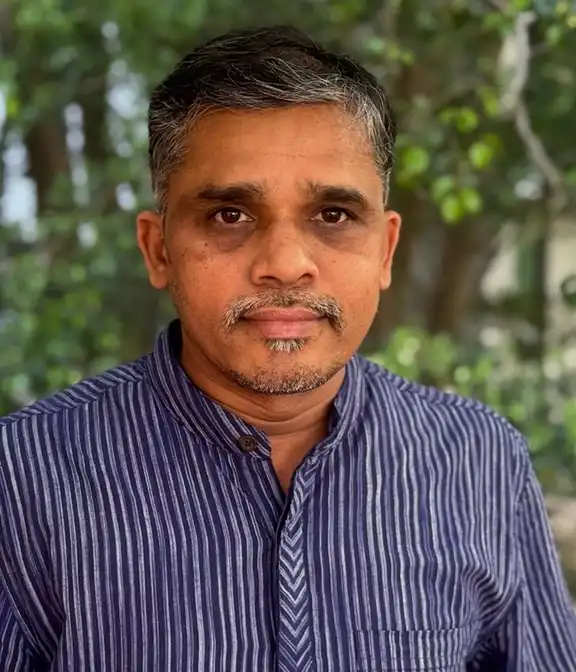
Praveen Kumar Vemula
Professor and Dean of Research at the Institute for Stem Cell Science and Regenerative Medicine (BRIC-inStem)
Prof. Praveen Kumar Vemula
Professor and Dean of Research at the Institute for Stem Cell Science and Regenerative Medicine (BRIC-inStem)
Prof. Praveen Kumar Vemula is Professor and Dean of Research at the Institute for Stem Cell Science and Regenerative Medicine (BRIC-inStem), Bengaluru. He obtained his PhD from the Indian Institute of Science and pursued postdoctoral research at the City College of New York, followed by an Entrepreneurial Postdoctoral Fellowship from the Ewing Marion Kauffman Foundation at Harvard Medical School. His research focuses on developing chemical technologies for medical applications, spanning chemical biology, biomaterials, drug discovery, drug delivery, and medical devices. Prof. Vemula has published nearly 100 peer-reviewed research articles, delivered over 300 invited national and international lectures including three TEDx talks, and holds more than 30 national and international patents, many of which have been licensed to biotech companies. Several technologies developed in his laboratory have translated into market-ready products, with over 25 products currently impacting millions of people globally. He has founded eight start-up companies based on his innovations. His contributions have been recognised with multiple honours, including the CRSI Bronze Medal (2025), ICT-RSC Innovation Award (2024), National Biotechnology Innovation Award (2023), DBT Product and Commercialization Award (2020), and the GYTI-SRISTI-BIRAC Award (2019).
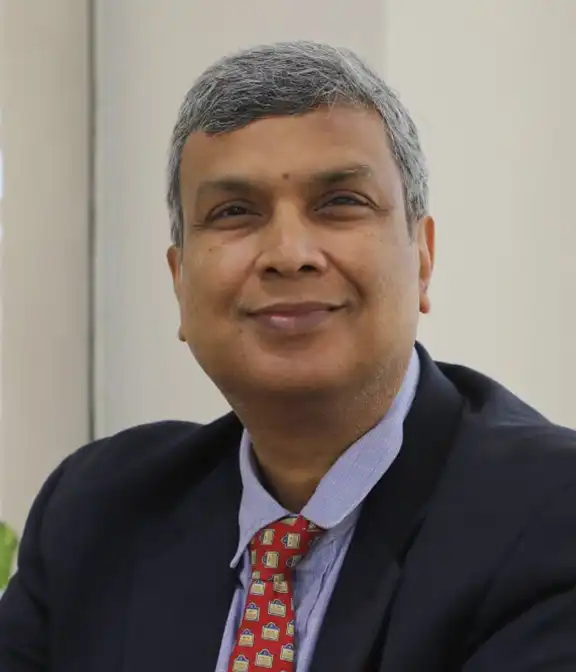
Anurag Agrawal
Dean, BioSciences and Health Research, Trivedi School of Biosciences, Ashoka University
Prof. Anurag Agrawal
Dean, BioSciences and Health Research, Trivedi School of Biosciences, Ashoka University
Professor Anurag Agrawal is Dean, BioSciences and Health Research, Trivedi School of Biosciences, Ashoka University, India, and former director of the Institute of Genomics and Integrative Biology, a national laboratory of CSIR, India. After completing graduate medical education at the All-India Institute of Medical Sciences, Delhi, he further trained in Internal Medicine, Pulmonary Disease and Critical Care at Baylor College of Medicine, Houston, USA, followed by a PhD in Physiology from Delhi University. His primary research is in respiratory biology and broader interests are in a new vision of health and healthcare seen through the lenses of emerging technologies. He serves on numerous national and global advisory groups, until recently chairing the World Health Organization technical advisory group for SARS CoV2 viral evolution, the Lancet-Financial Times commission for governing digital health futures, and serving on the pandemic preparedness subgroup at the Global Partnership for Artificial Intelligence. He received the Shanti Swaroop Bhatnagar Prize in 2014, the Sun Pharma Foundation award in 2020, and is a Fellow of the Indian national science and medical academies, as well as the world academy of science (TWAS).